
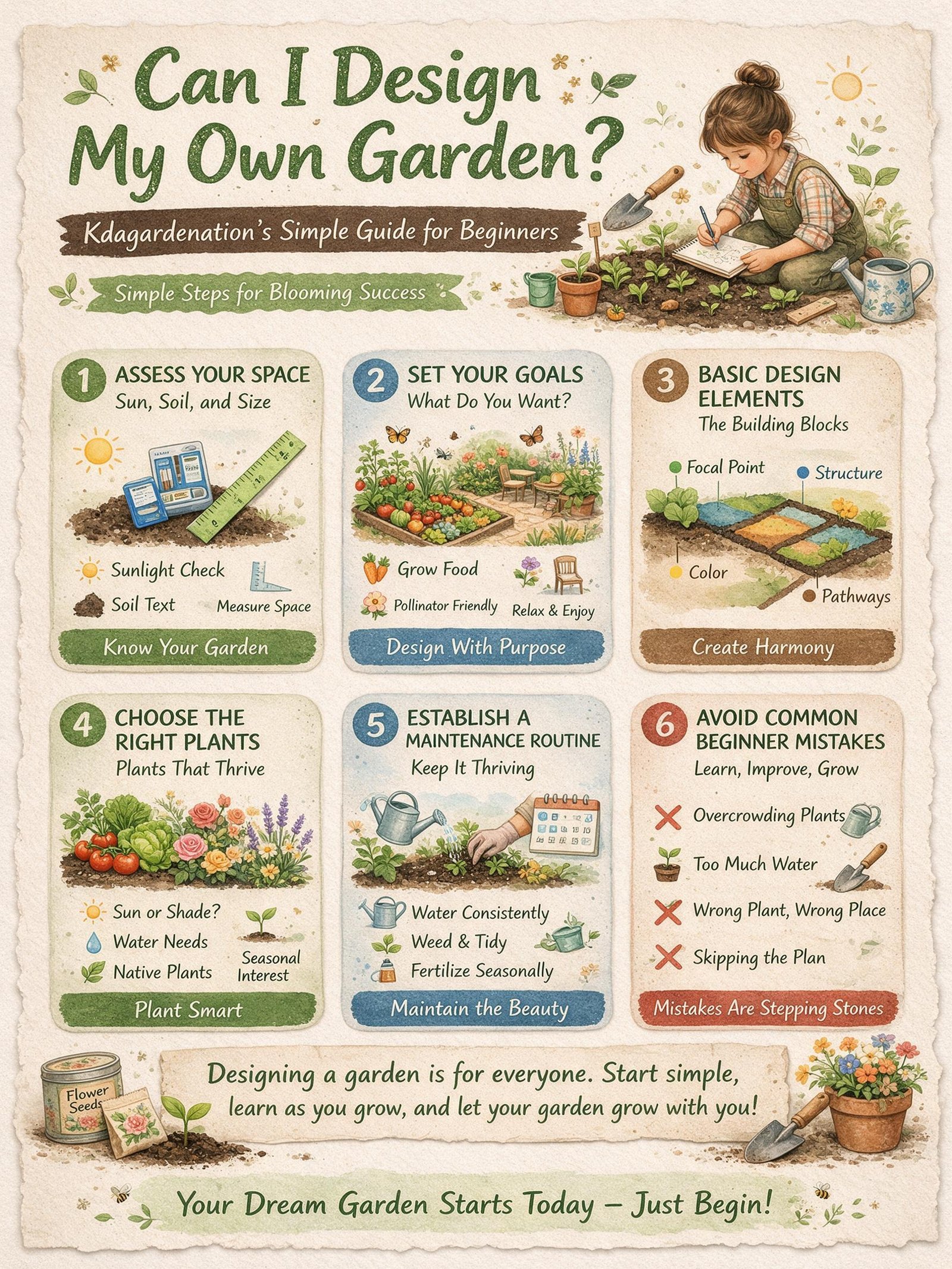
Designing a garden can feel like a big job at first. However, you do not always need a professional garden designer. With a little planning, you can create a beautiful outdoor space on your own.
Many people ask, can i design my own garden kdagardenation? The simple answer is yes. You can plan your garden based on your space, budget, lifestyle, and personal taste.
A garden does not need to look perfect. Instead, it should feel comfortable and useful. You can grow flowers, vegetables, herbs, trees, or even create a small sitting area.
In this guide, we will explain how to design your own garden step by step. You will learn about planning, plants, layout, colors, garden paths, furniture, lighting, and maintenance.
Can I Design My Own Garden Kdagardenation?
Yes, you can design your own garden. You do not need years of professional experience to start. You only need a basic idea of what you want.
First, look at the space you have. Your garden may be large, small, narrow, or oddly shaped. Every space can become useful with the right plan.
Also, think about how you want to use the garden. You may want a peaceful place to relax. Or perhaps you want to grow food for your family.
The key is to start small. Do not try to change everything in one day. Make a simple plan first. Then, work on one part at a time.
Start by Looking at Your Garden Space
Before buying anything, spend some time looking at your garden. Walk around the space during different times of the day.
Notice where the sunlight falls. Some areas may receive strong sunlight. Other areas may stay shady for most of the day.
This information matters because plants have different needs. Some plants love full sun. Others grow better in partial shade.
You should also look at the soil. Check if it feels dry, wet, sandy, or heavy. Good soil helps plants grow stronger.
Measure the Garden Area
Next, measure your garden. You do not need expensive equipment. A simple measuring tape can work well.
Write down the length and width of the space. If the garden has unusual corners, measure those areas too.
A simple drawing can help. Mark the house, walls, doors, trees, fences, and other fixed objects.
Your drawing does not need to look professional. It only needs to help you understand the space.
Think About Your Garden Goals
Now decide what you want from your garden. This step can save you time and money later.
For example, you may want a flower garden. In that case, focus on colorful plants and attractive planting areas.
You may also want a vegetable garden. Then, you need space for vegetables, herbs, watering, and easy access.
Some people want a relaxing garden. They may prefer grass, comfortable chairs, shade, and simple plants.
Choose a Garden Style
Choosing a style can make planning much easier. It gives your garden a clear direction.
You could choose a modern garden. This style often uses simple shapes, clean lines, and fewer plant types.
Another option is a natural garden. It can include different flowers, shrubs, trees, and winding paths.
You could also create a cottage-style garden. This type often uses colorful flowers and a relaxed layout.
Create a Simple Garden Plan
Once you understand your space, make a basic plan. Draw where you want plants, paths, seating, and other features.
Try not to fill every empty space. Empty areas can make a garden feel larger and calmer.
Think about movement too. You should be able to walk around the garden without stepping on plants.
A simple plan can prevent many mistakes. It also helps you know what to buy.
Plan Your Garden Zones
Garden zones can make your outdoor space more useful. Each zone can have a different purpose.
For example, one area can hold flowers. Another area can hold vegetables. You can also create a small sitting zone.
If you have children, leave some open space for playing. If you enjoy outdoor meals, consider adding a table.
You do not need a huge garden for zones. Even a small space can have two or three simple areas.
Choose Plants Carefully
Plants are one of the most important parts of garden design. However, do not choose plants only because they look pretty.
Think about your local weather. Some plants grow well in hot areas. Others prefer cooler conditions.
Also consider how much sunlight your garden receives. Match plants with the right light conditions.
Think about plant size too. A small plant may become a large shrub after a few years.
Use a Mix of Plant Sizes
A garden can look more interesting when plants have different heights.
Place taller plants toward the back of a border. Put medium plants in the middle.
Then, place smaller plants near the front. This arrangement allows you to see more plants at once.
You can also use trees and shrubs to create structure. Smaller flowers can add color around them.
Add Color to Your Garden
Color can completely change the feeling of a garden. Bright colors can make a space feel cheerful.
Soft colors can create a peaceful feeling. Green plants can provide a natural background for colorful flowers.
Try not to use too many colors at once. Choose a few main colors and repeat them around the garden.
Repeating colors can make different areas feel connected. It also gives the garden a more organized look.
Think About Garden Textures
Color is not the only thing that matters. Texture also makes a garden interesting.
You can mix plants with large leaves and small leaves. You can also combine soft grasses with stronger shrubs.
Flowers, stones, wood, and leaves can all add different textures.
When textures work together, your garden can feel richer. You do not need expensive decorations to create this effect.
Create a Garden Path
A garden path can make your space easier to use. It can also add beauty.
You can make a path from stones, bricks, gravel, concrete, or other materials.
Keep the path wide enough for comfortable walking. Also, make sure it does not become slippery when wet.
A curved path can give a garden a relaxed feeling. A straight path can create a cleaner and more modern look.
Add a Seating Area
A seating area can turn a garden into a place where you actually spend time.
You could add a simple bench. You could also use outdoor chairs or a small table.
Place seating somewhere comfortable. A shady location can work well during hot weather.
If you enjoy morning coffee outside, place the seating where you can enjoy the morning sun.
Add Shade Where Needed
Shade can make a garden more comfortable. It can also help certain plants grow better.
A tree can provide natural shade. However, trees take time to grow.
You can also use a pergola, umbrella, shade cloth, or other outdoor structure.
Before adding shade, think about where the sun moves during the day. This can help you choose the best location.
Use Garden Containers
Containers are useful when you have limited space. They work especially well for balconies, patios, and small gardens.
You can grow flowers, herbs, vegetables, and small shrubs in containers.
Choose pots with drainage holes. Extra water needs somewhere to escape.
You can also move containers around. This gives you more flexibility when changing your garden design.
Grow Your Own Vegetables
If you enjoy fresh food, consider adding a vegetable area.
You can grow simple vegetables such as tomatoes, lettuce, peppers, beans, and radishes.
Herbs can also work well. Mint, basil, parsley, and other herbs can grow in containers or garden beds.
Start with a few plants. Once you understand their needs, you can expand your vegetable garden.
Think About Watering
Watering is an important part of garden planning. Plants need regular water, but too much water can also cause problems.
Consider how you will water each area. A garden hose may work for a small space.
For larger gardens, you might consider an irrigation system. Drip irrigation can deliver water close to plant roots.
You should also think about water drainage. Standing water can damage many plants.
Improve Your Soil
Healthy soil gives plants a strong foundation. Before planting, learn what type of soil you have.
You can improve soil by adding compost or other suitable organic material.
Good soil can hold water while still allowing excess water to drain.
If you are unsure about your soil, a local garden center or soil testing service can help you understand it better.
Use Mulch in Garden Beds
Mulch can make garden beds look neat. It can also help protect the soil.
Organic mulch can include materials such as wood chips, bark, or compost.
Mulch can help reduce water loss from the soil. It may also reduce weed growth.
However, keep mulch away from the direct base of plant stems and tree trunks.
Add Trees and Shrubs
Trees and shrubs can give your garden structure. They can also provide shade and privacy.
Before planting a tree, check its mature size. A tree that looks small today may become very large later.
Choose shrubs that match your garden conditions. Consider sunlight, soil, water, and available space.
Place larger plants carefully. You do not want them blocking windows, paths, or other important areas.
Create Privacy Naturally
If your garden feels too open, plants can create privacy.
Tall shrubs, hedges, bamboo varieties, and suitable trees can form natural screens.
You can also combine plants with fences or trellises.
However, avoid planting something huge in a tiny space. Always consider how large the plant will become.
Add Garden Lighting
Garden lighting can make an outdoor area useful after sunset.
Small lights can mark paths. Other lights can highlight trees, plants, walls, or seating areas.
Solar lights can be an easy option for some gardens. They do not need a traditional power connection.
Keep outdoor electrical equipment suitable for outdoor use. Safety should always come first.
Add Simple Garden Decorations
Decorations can add personality to your garden. However, you do not need many items.
A few carefully chosen decorations can look better than a crowded space.
You could use pots, stones, a birdbath, garden art, or a small water feature.
Choose decorations that match your garden style. This helps the whole space feel connected.
Think About Garden Maintenance
A beautiful garden also needs care. Therefore, think about maintenance before planting.
Some plants need frequent trimming. Others need very little attention.
If you have limited time, choose low-maintenance plants. They can help you enjoy your garden without spending hours working in it.
Also, leave enough space between plants. Crowded plants can make maintenance harder.
Make a Small Garden Look Bigger
Small gardens can still look amazing. The right design can make them feel more open.
Use fewer large features. Too many objects can make a small space feel crowded.
Vertical gardening can also help. Use walls, trellises, hanging baskets, and tall planters.
Light colors and clear paths can also make the garden feel more spacious.
Design a Garden on a Budget
You do not need a large budget to create a nice garden.
Start with the most important areas. For example, focus on plants and soil before buying decorations.
You can also grow plants from seeds. This may cost less than buying large mature plants.
Reuse suitable containers, stones, wood, and other safe materials. However, always make sure reused materials are clean and safe for plants.
Avoid Buying Everything at Once
One common mistake is buying too many things too quickly.
You may see a beautiful plant and want it immediately. However, it might not suit your garden.
Instead, follow your plan. Buy plants that match your sunlight, soil, space, and maintenance needs.
This approach can save money. It can also prevent overcrowding.
Can I Design My Own Garden Kdagardenation Without Experience?
Yes, beginners can design gardens. You can learn the basics as you work.
Start with a small project. Design one flower bed or one seating area first.
As you gain confidence, you can work on larger parts of the garden.
Remember that mistakes are normal. Gardening is a learning process. Even experienced gardeners change their plans sometimes.
Use Online Garden Inspiration Carefully
Looking at garden ideas can help you discover your style. Photos can give you ideas for plants, paths, colors, and seating.
However, do not copy every design you see online. A garden that works in one place may not work in another.
Consider your climate and available space. Also consider your budget and daily routine.
Use inspiration as a starting point. Then create something that fits your own needs.
Make Your Garden Match Your Home
A garden often looks better when it works with the house.
For example, a modern home may suit clean lines and simple planting.
A traditional home may work well with softer borders and classic plants.
You do not have to follow strict rules. Your garden should still show your personality.
The goal is to create a smooth connection between your home and outdoor space.
Make the Garden Useful
A garden should not only look good. It should also be useful.
You might create a place for relaxing. You could add an area for outdoor meals.
You may also grow food, attract birds, or create a safe space for children.
Think about your daily life. Then design the garden around the activities you enjoy.
Keep the Design Simple
Simple garden designs are often easier to manage. They can also look clean and attractive.
Choose a few main materials. Repeat similar colors and shapes.
Avoid adding too many different features.
A simple garden can still have character. Good planning matters more than the number of decorations.
Think About the Future
Garden design should consider the future. Plants grow and change over time.
A small shrub can become much larger. Trees can spread their roots and branches.
Therefore, give plants enough room to grow.
Think about how the garden might look after three, five, or even ten years.
Common Garden Design Mistakes
Beginners often make a few common mistakes. The good news is that many can be avoided.
One mistake is planting without checking sunlight. Another is choosing plants that become too large.
Some people also create paths that are too narrow. Others add too many decorations.
Planning first can reduce these problems. Take your time and make changes slowly.
A Simple Garden Design Checklist
Before starting your project, check these important points:
- Measure the garden.
- Check sunlight levels.
- Look at the soil.
- Decide your garden purpose.
- Choose a garden style.
- Draw a basic layout.
- Select suitable plants.
- Plan paths.
- Choose seating areas.
- Plan watering.
- Consider maintenance.
- Set a budget.
- Leave space for plants to grow.
This simple checklist can make the project easier.
Can I Design My Own Garden Kdagardenation on Paper?
Yes, paper is enough for your first garden plan. You do not need professional design software.
Draw the garden from above. Mark fixed features first.
Then add paths, planting beds, seating, trees, and other features.
You can erase and change your ideas easily. This is much better than making expensive changes after planting.
Can I Design My Own Garden Kdagardenation Step by Step?
Yes. A step-by-step approach can make the process much easier.
Start by understanding the space. Then decide what you want from the garden.
After that, create a layout. Choose plants and materials that fit the plan.
Finally, build the garden slowly. You can improve it over time as you learn more.
How to Start Your First Garden Project
Choose one small area. A flower bed is a good starting point.
Clear weeds and prepare the soil. Then place your plants according to your plan.
Water them carefully and watch how they grow.
After a few weeks, you will learn what works. You can then use those lessons in other parts of the garden.
5 Small FAQs About Designing Your Own Garden
1. Can I design my own garden?
Yes. Anyone can design a garden with basic planning. Start small and learn as you go.
2. Do I need a professional garden designer?
Not always. A professional can help with complex projects, but simple gardens can often be planned yourself.
3. How much does garden design cost?
The cost depends on the size and materials. A simple DIY garden can cost much less than a professionally built garden.
4. What should I plan first?
Start with your garden’s purpose, sunlight, size, soil, and layout. Then choose plants and materials.
5. Can I design a small garden myself?
Yes. Small gardens can be easier to manage. Use containers, vertical planting, and simple layouts to save space.
Conclusion
So, can i design my own garden kdagardenation? Absolutely. You can create a garden that feels beautiful, useful, and personal.
Start with a simple plan. Measure your space and check the sunlight. Then choose plants that match your conditions.
Next, add paths, seating, colors, and other features. Keep the design simple at first.
Most importantly, take your time. A garden changes as plants grow. You can always improve it later.
You do not need to create a perfect garden on your first attempt. With patience and regular care, your garden can become a wonderful part of your home.
The best garden is not always the biggest or most expensive one. It is the garden that fits your life and makes you happy.