
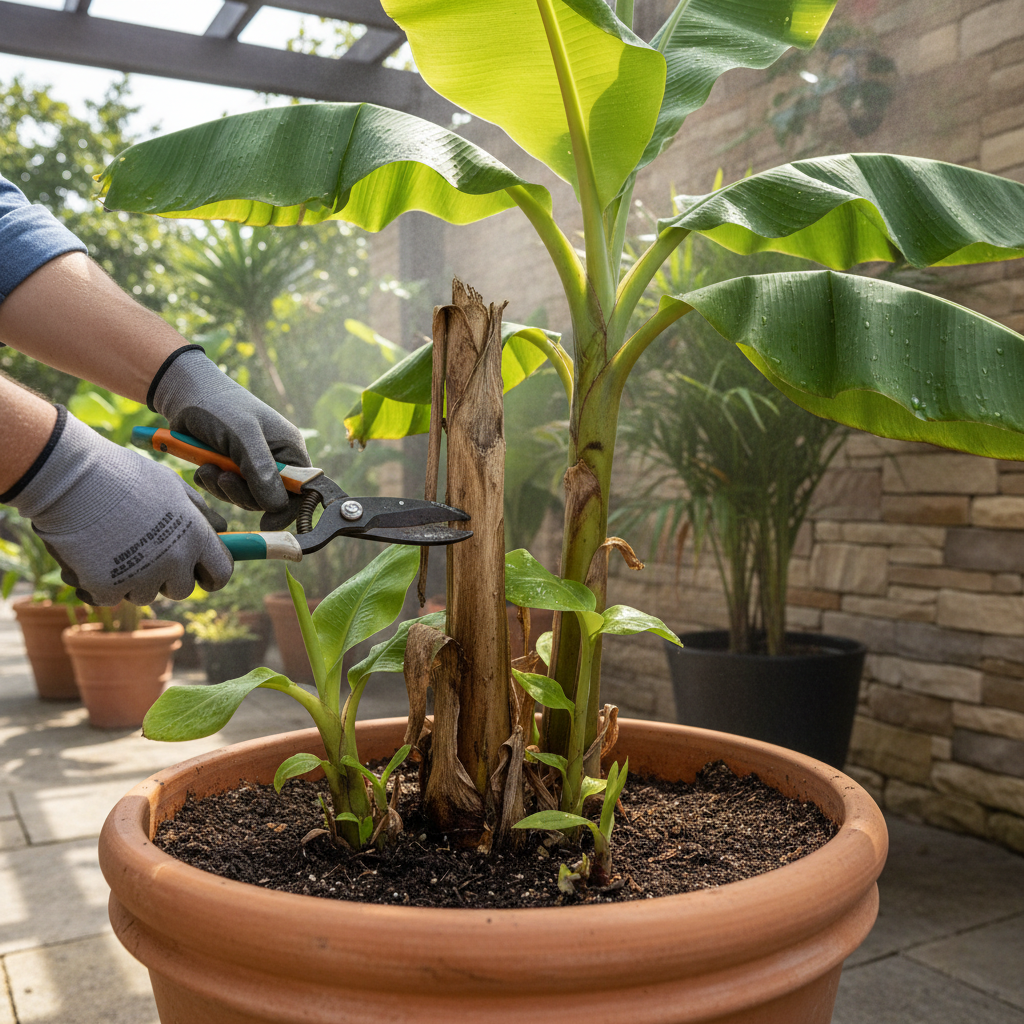
A dwarf banana tree is a great plant for people who love tropical gardens. It has large green leaves and a beautiful tropical look. Also, many dwarf types stay smaller than regular banana plants.
Because of its smaller size, this plant works well in gardens, patios, balconies, and containers. It can also grow indoors when it gets enough light and warmth.
Although people call it a banana tree, it is actually a large herb. Its stem does not have true woody growth like a normal tree.
With the right care, a dwarf banana tree can grow quickly. It may even produce bananas in suitable conditions. However, sunlight, water, soil, temperature, and feeding all matter.
What Is a Dwarf Banana Tree?
A dwarf banana tree is a smaller-growing banana plant. It belongs to the Musa group of plants. These plants come from warm tropical and subtropical regions.
The word “dwarf” mainly describes the plant’s smaller height. However, different varieties can reach different sizes. Some stay fairly short, while others can grow several feet tall.
Despite its name, the plant is not a real tree. Its trunk-like part is called a pseudostem. It forms from tightly packed leaf bases.
This gives the dwarf banana tree its tree-like appearance. Yet, its structure remains quite different from a woody tree.
Why Grow a Dwarf Banana Tree?
There are many reasons to grow a dwarf banana tree. First, it adds a tropical feeling to almost any outdoor space.
Its large leaves can make a plain garden look more colorful. Also, the leaves move nicely when a soft breeze passes through them.
Another benefit is its size. A smaller banana plant can fit into places where a full-size banana plant may not work well.
For example, you can grow one in a large pot. You can also place it near a sunny patio or garden wall.
How Big Does a Dwarf Banana Tree Get?
The final size depends on the variety and growing conditions. Some dwarf banana plants remain around 5 to 8 feet tall.
Other types can grow taller when they have plenty of warmth, water, sunlight, and nutrients.
Therefore, it helps to check the variety before planting. The word “dwarf” does not always mean tiny.
The leaves can also become quite large. A small plant may look modest at first. Later, it can create a strong tropical display.
If space is limited, choose a variety known for compact growth. Also, use a container to help control the growing space.
Popular Dwarf Banana Tree Varieties
Several banana varieties can work well in smaller gardens. However, their height, fruit, and cold tolerance can vary.
One popular type is Dwarf Cavendish. It is widely grown for its compact size and edible fruit.
Another option is Super Dwarf Cavendish. As the name suggests, it stays smaller than many other banana plants.
There are also ornamental dwarf banana types. These may grow mainly for their attractive leaves and tropical appearance.
Before buying a plant, check its mature height. Also, check whether it produces edible fruit in your climate.
Dwarf Cavendish Banana Tree
The Dwarf Cavendish is one of the best-known compact banana plants. It can produce edible bananas under suitable growing conditions.
This variety is popular because it can grow in containers. That makes it useful for gardeners with limited outdoor space.
Its large leaves create a lush look. With enough sunlight, the plant can grow strongly during warm weather.
However, Dwarf Cavendish still needs good care. It likes warmth, moisture, rich soil, and plenty of light.
Super Dwarf Cavendish
Super Dwarf Cavendish is another compact choice. It works especially well for people who want a banana plant in a smaller space.
Because it stays shorter, it can work well in large containers. You can also move the plant when temperatures become too cold.
Like other bananas, it prefers warm conditions. It also needs enough sunlight for healthy growth.
With proper care, this dwarf banana tree can create a beautiful tropical display. In good conditions, it may also produce fruit.
Where Should You Plant a Dwarf Banana Tree?
Choose a warm and sunny location for your dwarf banana tree. Bananas grow best when they receive plenty of sunlight.
A spot with strong morning and afternoon light can work well. However, extremely hot locations may require some protection from harsh afternoon conditions.
The plant also needs protection from strong winds. Its large leaves can tear easily when winds become powerful.
Therefore, planting near a wall or sheltered garden area can help. Just make sure the location still receives enough sunlight.
Growing a Dwarf Banana Tree in a Container
A container is a great choice for a dwarf banana tree. It gives you more control over soil, water, and location.
Choose a large pot with drainage holes. The container should have enough room for the roots to grow.
Do not use a tiny pot. A small container can dry out quickly and restrict root growth.
As the plant grows, you may need to move it into a larger container. Always choose a pot with good drainage.
Best Soil for a Dwarf Banana Tree
A dwarf banana tree likes rich and well-drained soil. The soil should hold some moisture without becoming waterlogged.
A quality potting mix can work well for container plants. You can also improve garden soil with organic matter.
Good drainage matters because constantly wet roots can develop problems.
At the same time, bananas need regular moisture. So, the goal is balanced soil that stays moist but does not remain soggy.
How Much Sunlight Does a Dwarf Banana Tree Need?
Sunlight plays a major role in banana plant growth. A dwarf banana tree generally grows best with several hours of bright sunlight each day.
More light can help the plant produce strong leaves. It can also support fruit development when the variety produces bananas.
However, young plants may need gradual exposure if they were grown in lower light.
Move them into brighter conditions slowly. This can help reduce leaf stress.
How Often Should You Water a Dwarf Banana Tree?
Banana plants enjoy regular moisture. Therefore, you should check the soil often during warm weather.
Water when the upper part of the soil begins to dry. Then water deeply enough to reach the roots.
Container plants may need water more often. Pots can lose moisture quickly during hot days.
Still, avoid leaving the plant sitting in water. Good drainage remains important.
Feeding a Dwarf Banana Tree
A dwarf banana tree can be a heavy feeder during active growth. It needs nutrients to create large leaves and strong growth.
A balanced fertilizer can help support healthy development. Some gardeners also use fertilizers with extra potassium when growing fruiting banana plants.
Always follow the fertilizer label. Too much fertilizer can damage roots and create other problems.
Regular feeding during the growing season can support better growth. However, reduce feeding when the plant enters a slower growth period.
How Fast Does a Dwarf Banana Tree Grow?
Banana plants can grow quickly when conditions are right. Warm temperatures, good soil, sunlight, water, and nutrients all help.
You may notice new leaves appearing regularly during the growing season.
However, growth slows when temperatures drop. Cold weather can also damage leaves.
Therefore, do not worry if your plant grows slowly during cooler months. Once warm weather returns, growth can increase again.
When Does a Dwarf Banana Tree Produce Bananas?
Fruit production depends on the variety and growing conditions. A healthy dwarf banana tree may produce flowers after reaching enough maturity.
The plant first develops a large flower structure. Then, under suitable conditions, bananas begin forming.
Fruit development takes time. Therefore, patience is important.
Not every plant will produce fruit in every climate. Indoor plants may also struggle if they lack enough sunlight or warmth.
How to Encourage Banana Fruit
If you want fruit, start with the right variety. Choose one known for producing edible bananas.
Next, provide plenty of sunlight. Good light helps the plant produce strong growth.
Also, keep the soil consistently moist. Do not let the plant stay dry for long periods.
Finally, provide suitable nutrients. A healthy plant has a better chance of producing flowers and fruit.
Even with perfect care, fruiting can depend on temperature and the length of the growing season.
Dwarf Banana Tree Temperature Needs
Warm weather is important for banana plants. A dwarf banana tree grows best when temperatures remain comfortably warm.
Cold temperatures can slow growth. Frost can cause serious damage to leaves and stems.
If you live in a cold area, container growing can help. You can move the plant indoors during cold periods.
However, indoor space should still provide enough light. A dark room may not support healthy long-term growth.
Protecting a Dwarf Banana Tree in Winter
Winter protection depends on your local climate. In warm areas, the plant may remain outdoors throughout winter.
In colder areas, you may need to protect the roots or move a container plant indoors.
Before cold weather arrives, reduce stress on the plant. Keep it healthy during the growing season.
If frost threatens, protect the plant according to your local gardening conditions. Severe cold can damage banana plants quickly.
Growing a Dwarf Banana Tree Indoors
A dwarf banana tree can grow indoors if you provide the right conditions.
Place it near a bright window. A sunny room can provide useful natural light.
You should also keep the plant away from cold drafts. Avoid placing it beside an air conditioner or cold window.
Indoor air can become dry. Therefore, monitor the leaves and soil carefully.
Remember that indoor plants can still become large. Choose a compact variety if space is limited.
Dwarf Banana Tree Watering Problems
Too little water can make leaves droop. The edges may also turn brown and dry.
Too much water can create different problems. Constantly wet soil can reduce healthy root growth.
Therefore, check the soil before watering.
Container plants need special attention. Their soil can dry much faster than garden soil.
Adjust your watering routine according to temperature, sunlight, pot size, and plant growth.
Common Dwarf Banana Tree Pests
Banana plants can sometimes attract pests. Common garden pests may feed on leaves or other plant parts.
Spider mites can become a problem in dry conditions. Aphids and other insects may also appear.
Check the leaves regularly. Look underneath them because pests often hide there.
Early detection makes problems easier to manage. Remove damaged leaves when needed and use suitable garden pest-control methods.
Common Dwarf Banana Tree Diseases
Banana plants can face fungal and other plant diseases. Problems often become worse when growing conditions remain too wet.
Good air movement can help reduce some issues. Proper watering also matters.
Avoid keeping the leaves constantly wet when possible. Water the soil instead.
If you notice unusual spots, yellowing, or sudden plant decline, inspect the plant carefully.
When needed, seek advice from a local gardening expert. Different diseases require different treatments.
Why Are Dwarf Banana Tree Leaves Turning Yellow?
Yellow leaves can happen for several reasons. Too much water is one possible cause.
Nutrient problems can also cause yellowing. Older leaves naturally turn yellow and die as the plant grows.
Look at the whole plant before deciding what went wrong.
If many leaves turn yellow at once, check the soil moisture first.
Then examine light, drainage, temperature, and feeding. Fixing the main problem can help new leaves grow healthier.
Why Are Dwarf Banana Tree Leaves Turning Brown?
Brown leaf edges are common on banana plants. Dry soil can cause this problem.
Low humidity can also contribute to brown edges, especially indoors.
Strong wind can tear or dry large leaves. Very hot conditions may create additional stress.
Do not panic over a few brown edges. Banana leaves naturally become damaged over time.
Focus on healthy new growth. That is often a better sign of overall plant health.
Pruning a Dwarf Banana Tree
A dwarf banana tree does not need heavy pruning. Instead, remove damaged or dead leaves when necessary.
Use clean cutting tools. Make cuts carefully to avoid unnecessary damage.
Do not remove healthy green leaves without a reason. The leaves help the plant collect energy from sunlight.
After fruiting, the main fruiting stem eventually dies. New shoots can grow from the base.
This natural growth cycle is normal for banana plants.
Dwarf Banana Tree Pups
Banana plants produce new shoots called pups. These grow from the base of the main plant.
Pups can eventually become new banana plants.
If you want several plants, you can allow some pups to grow. However, too many shoots can make the planting area crowded.
Removing extra pups can help the main plant focus its energy.
When separating pups, make sure they have enough roots to survive independently.
Propagating a Dwarf Banana Tree
Propagation usually happens through pups rather than seeds for common cultivated banana varieties.
Choose a healthy pup with its own developing roots. Carefully separate it from the parent plant.
Then place it into suitable soil. Keep the new plant warm and moist.
Give it enough light, but avoid extreme conditions while it becomes established.
With proper care, the young plant can begin producing new leaves.
Dwarf Banana Tree Container Care
Container care requires regular attention. Pots can dry out faster than garden soil.
Check the soil often during hot weather. Water deeply when needed.
Also, containers may need regular feeding because nutrients can leave through drainage.
Repot the plant when roots become crowded. Choose a slightly larger container rather than a huge jump in size.
Make sure the new pot has drainage holes.
Benefits of Growing a Dwarf Banana Tree
A dwarf banana tree offers several gardening benefits.
- It creates a tropical appearance.
- It can grow in containers.
- It works well in small gardens.
- Some varieties produce edible fruit.
- Its large leaves create visual interest.
- It can grow quickly in warm weather.
- It can become a beautiful patio plant.
These features make dwarf bananas useful for both beginner and experienced gardeners.
Dwarf Banana Tree vs. Regular Banana Plant
The main difference is usually plant size. A dwarf type generally stays shorter than a standard banana variety.
This makes a dwarf banana tree easier to manage in smaller spaces.
Regular banana plants may require more room. Their leaves can spread widely and create a large tropical display.
However, both types need similar basic care. They generally enjoy warmth, sunlight, moisture, and good soil.
Your available space should help guide your choice.
Can You Grow a Dwarf Banana Tree in a Small Garden?
Yes, you can. A compact variety can work well in a small garden.
Container growing gives you even more control. You can choose where the plant sits and move it when needed.
Still, remember that banana leaves can become wide. Give the plant enough room to spread.
Do not place it directly against a busy walkway. Large leaves can get in the way.
With smart placement, even a small garden can enjoy a tropical look.
Can a Dwarf Banana Tree Grow on a Balcony?
A balcony can work if it receives enough sunlight and can safely support a large container.
Choose a compact banana variety. Use a strong pot with good drainage.
Also, consider wind. High balconies can become very windy, and banana leaves can tear easily.
Make sure the container remains stable. A large, heavy pot can help prevent the plant from falling.
Always check building rules and weight limits before placing large containers on a balcony.
How Long Does a Dwarf Banana Tree Live?
The visible main stem does not live forever. Banana plants follow a natural growth cycle.
A plant may produce fruit and then the main stem declines.
However, new pups grow from the underground structure. These pups can continue the plant’s life.
Therefore, a healthy planting can remain productive for many years when conditions are suitable.
This growth cycle can seem strange to new gardeners. But it is normal for banana plants.
Tips for Growing a Healthy Dwarf Banana Tree
Follow these simple tips for better results:
- Give the plant plenty of light.
- Use rich, well-drained soil.
- Keep the soil regularly moist.
- Avoid standing water.
- Feed during active growth.
- Protect the plant from strong winds.
- Keep it warm.
- Check leaves for pests.
- Remove badly damaged leaves.
- Give container plants enough space.
- Protect plants from severe cold.
- Allow healthy pups to develop.
Small improvements can make a big difference.
Common Mistakes to Avoid
One common mistake is using a container that is too small. The plant can quickly outgrow it.
Another mistake is poor drainage. Banana plants need moisture, but their roots should not remain in standing water.
Some gardeners also place the plant in too little light. This can reduce strong growth.
Overfeeding can create problems too. More fertilizer does not always mean more growth.
Finally, do not ignore temperature. Cold weather can seriously affect banana plants.
Frequently Asked Questions About Dwarf Banana Tree
1. Is a dwarf banana tree really a tree?
No. A banana plant is a large herb. Its trunk-like stem is a pseudostem made from tightly packed leaf bases.
2. How tall does a dwarf banana tree grow?
The height depends on the variety. Many dwarf types stay around 5 to 8 feet, while some can grow taller.
3. Can a dwarf banana tree grow in a pot?
Yes. Many dwarf banana varieties grow well in large containers. Use rich soil, good drainage, regular water, and plenty of sunlight.
4. Does a dwarf banana tree produce bananas?
Some varieties produce edible bananas. However, fruiting depends on the variety, plant maturity, temperature, sunlight, and growing conditions.
5. Can a dwarf banana tree survive winter?
It depends on the climate. Banana plants generally prefer warmth and can suffer damage from frost and freezing temperatures. Container plants can be easier to protect.
Conclusion
A dwarf banana tree can bring a beautiful tropical feeling to your home or garden. Its large leaves create a bold look, while its smaller size makes it easier to manage.
With the right variety, you can grow one in a garden or large container. Some types can even produce edible bananas.
Good care starts with sunlight, warmth, water, rich soil, and proper drainage. Therefore, focus on these basic needs first.
Also, watch your plant regularly. Check the leaves, soil, and new growth. Early action can prevent small problems from becoming bigger ones.
A dwarf banana tree can be a rewarding plant for beginners. It grows quickly in warm conditions and adds a special tropical touch.
Whether you want fruit or simply want beautiful foliage, this plant can be a great choice. Give it the care it needs, and you can enjoy its tropical beauty for years.