
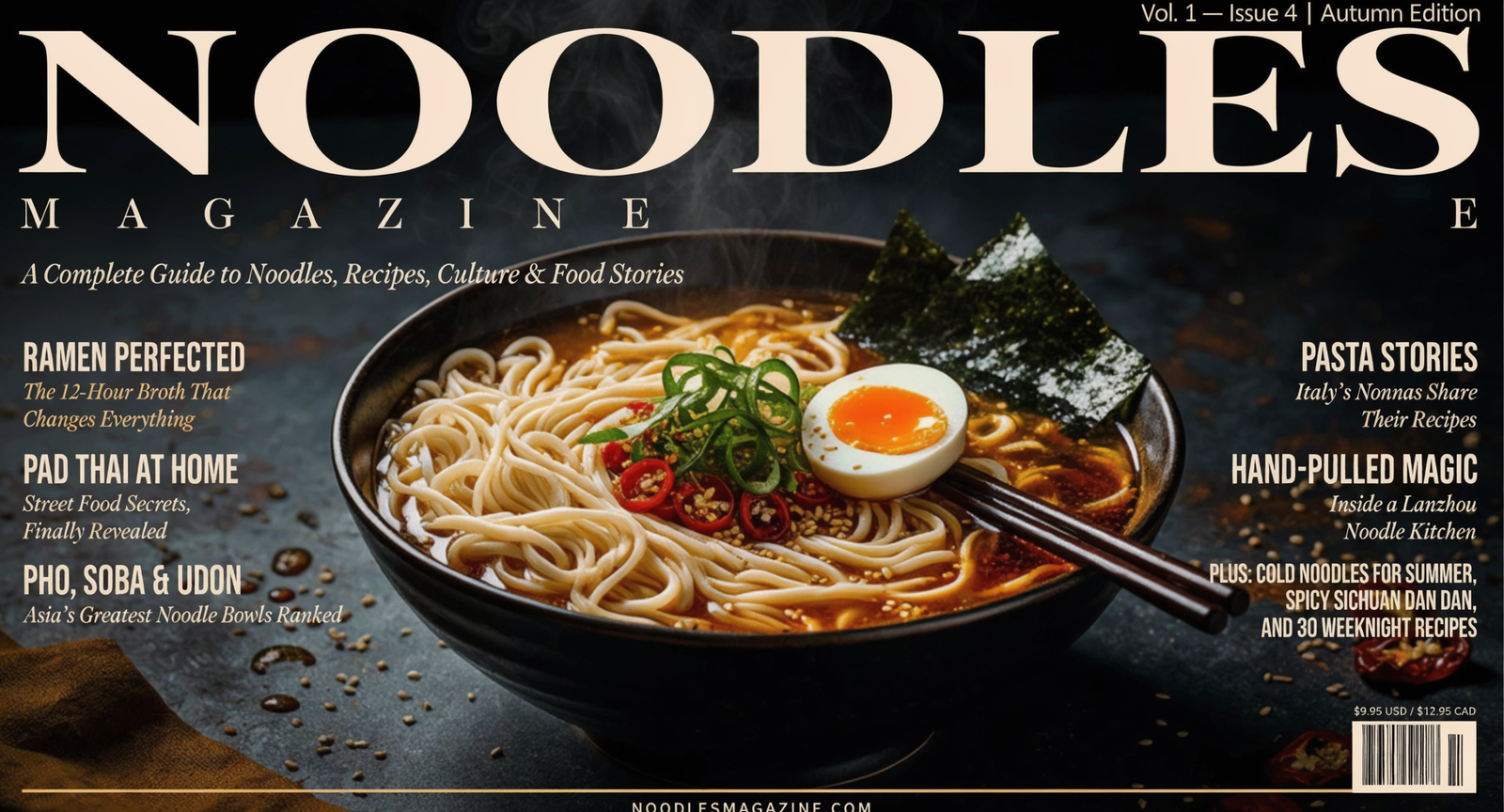
Noodles are one of the most loved foods in the world. People eat them in many different ways. Some like them spicy. Others prefer a light and simple bowl.
A good noodles magazine can bring all these ideas together. It can share recipes, cooking tips, food stories, and noodle traditions from different places.
Noodles also have a long history. They appear in many food cultures across Asia and beyond. Each region has its own flavors, shapes, sauces, and cooking styles.
In this guide, we will explore the world of noodles. We will look at recipes, types, cooking methods, history, nutrition, and food culture.
What Is Noodles Magazine?
A noodles magazine is a food-focused publication or online resource that centers on noodles. It may cover recipes, restaurants, cooking ideas, food news, and noodle culture.
Some publications focus only on recipes. Others tell stories about people and places. A noodle-focused magazine can combine both styles.
This makes noodles more than just a meal. They become a way to explore different cultures, ingredients, and cooking traditions.
Why Noodles Are So Popular
Noodles are easy to cook. They also work with many ingredients. You can add vegetables, meat, eggs, seafood, or tofu.
Another reason is their texture. Some noodles feel soft and smooth. Others have a chewy bite. This difference makes each noodle dish special.
Noodles can also fit many budgets. A simple bowl can cost very little. At the same time, restaurants can turn noodles into fancy meals with premium ingredients.
A Brief History of Noodles
Noodles have a very old history. Researchers have found evidence of ancient noodle-like foods in China.
Over time, noodle traditions spread and developed in different regions. People changed recipes based on local ingredients and cooking styles.
Today, noodles appear in many countries. China, Japan, Korea, Thailand, Vietnam, Italy, and many other places have their own noodle dishes.
Noodles Around the World
A noodles magazine can explore noodles from many countries. Each dish can tell us something about its culture.
Chinese noodles come in many shapes and styles. Japanese noodles include ramen, udon, and soba. Korea has dishes such as japchae and naengmyeon.
Thailand and Vietnam also have famous noodle dishes. Italian pasta shares some similarities with noodles, although pasta has its own history and traditions.
Popular Types of Noodles
There are many noodle types to discover. They differ in size, shape, texture, and ingredients.
Here are some popular examples:
- Ramen
- Udon
- Soba
- Rice noodles
- Glass noodles
- Egg noodles
- Chow mein noodles
- Somen
- Hokkien noodles
- Cellophane noodles
Each type works best with certain recipes. However, cooks can also experiment with new combinations.
Ramen and Its Growing Popularity
Ramen has become famous around the world. It started as a noodle dish influenced by Chinese cooking and developed into a major part of Japanese food culture.
A bowl of ramen often includes noodles, broth, meat, vegetables, and toppings. Different regions of Japan have their own ramen styles.
Today, ramen restaurants can be found in many countries. Instant ramen has also made noodle meals easy and affordable for millions of people.
Udon Noodles
Udon noodles are thick and chewy. They are commonly associated with Japanese cuisine.
Cooks can serve udon in hot broth. They can also serve it cold with a dipping sauce.
The simple texture makes udon easy to pair with many ingredients. Green onions, mushrooms, tofu, tempura, and meat can all work well.
Soba Noodles
Soba noodles usually contain buckwheat. They have a different flavor from wheat noodles.
People often eat soba cold with a dipping sauce. They can also enjoy it in a warm soup.
Soba is especially interesting because it can work as both a simple meal and a traditional Japanese dish.
Rice Noodles
Rice noodles are common in many Asian cuisines. They have a light texture and mild flavor.
They work well in soups, stir-fries, salads, and fresh noodle dishes.
Because they have a mild taste, sauces and other ingredients can add most of the flavor. This makes rice noodles very flexible in the kitchen.
Glass Noodles
Glass noodles have a clear appearance after cooking. They often come from starch such as mung beans or other plants.
They absorb sauces very well. Therefore, they can taste rich even when the noodles themselves have a mild flavor.
Glass noodles appear in many Asian dishes. They can be used in stir-fries, soups, salads, and spring rolls.
Chow Mein Noodles
Chow mein is a popular Chinese-style noodle dish. It often includes noodles, vegetables, and a savory sauce.
Many recipes also add chicken, beef, shrimp, or tofu.
The dish works well for quick meals. You can change the ingredients based on what you already have at home.
Easy Noodle Recipes
A good noodles magazine should offer recipes that people can actually make. Simple recipes help beginners feel confident.
One easy option is vegetable stir-fry noodles. Cook your noodles first. Then stir-fry vegetables with a little oil and add your favorite sauce.
Finally, mix everything together. You can add an egg or tofu for extra protein.
Spicy Noodle Recipes
Spicy noodles are popular with people who enjoy strong flavors. You can use chili oil, fresh chilies, chili flakes, or spicy sauces.
Start with a small amount of spice. Then add more if you want extra heat.
Garlic, soy sauce, sesame oil, and green onions can make spicy noodles even better. Together, these ingredients create a rich and exciting bowl.
Creamy Noodle Recipes
Creamy noodles offer a different experience. You can create a creamy sauce with milk, cream, cheese, or plant-based ingredients.
Chicken and mushrooms work especially well with creamy noodles.
However, keep the sauce balanced. Too much cream can make a dish heavy. Garlic, herbs, black pepper, and vegetables can add freshness.
Healthy Noodle Ideas
Noodles can become part of a balanced meal. The key is what you add to them.
Try adding vegetables such as carrots, cabbage, spinach, broccoli, or bell peppers.
You can also add protein. Eggs, tofu, beans, chicken, seafood, and lean meat can make the meal more filling.
How to Cook Noodles Properly
Cooking noodles may look simple. However, small mistakes can change the texture.
First, use enough water when boiling noodles. Then follow the cooking time on the package.
Avoid overcooking. Soft noodles can become mushy. Instead, aim for a texture that still has some bite.
Why Texture Matters
Texture is a big part of noodle dishes. Some people like soft noodles. Others prefer chewy noodles.
The cooking method can change texture. Boiling, frying, soaking, and steaming all create different results.
A noodles magazine can help readers understand these differences. Small cooking tips can make a big improvement.
Choosing the Right Sauce
Sauce can completely change a noodle dish. Soy sauce gives a salty and savory flavor.
Sesame oil adds a nutty smell. Chili oil adds heat. Peanut sauce creates a creamy and rich taste.
You can also mix sauces. However, add them slowly. This helps you control the final flavor.
Noodles and Vegetables
Vegetables add color, texture, and nutrients. They can also make a simple bowl look much more appealing.
Carrots add sweetness. Cabbage adds crunch. Mushrooms add a deep flavor.
Green onions work well as a topping. Spinach can add a fresh touch. The choices are almost endless.
Noodles and Protein
Protein can make noodles more satisfying. Eggs are one of the easiest choices.
Chicken and beef work well in stir-fried noodles. Shrimp can add a seafood flavor.
Tofu is another useful option. It can absorb sauces and spices while adding plant-based protein.
Noodle Soup Ideas
Noodle soup can be comforting on a cold day. A warm broth creates the base of the meal.
You can add noodles, vegetables, eggs, chicken, tofu, or seafood.
Ginger and garlic can give the broth more flavor. Green onions can finish the dish with a fresh taste.
Cold Noodle Dishes
Noodles do not always need to be hot. Cold noodle dishes can be refreshing.
They are especially useful during warm weather. A cold noodle salad can include vegetables, herbs, and a light dressing.
Sesame, soy, vinegar, and chili can create a simple dressing. You can also add shredded chicken or tofu.
Noodles and Food Culture
Food often tells stories. Noodles are a good example.
Families may have special noodle recipes. Some dishes appear during holidays. Others connect with local traditions.
A noodles magazine can share these stories with readers. This adds meaning to recipes and helps people learn about different cultures.
Noodles in Japanese Culture
Japanese noodle culture is very rich. Ramen, udon, and soba all have their own traditions.
People can enjoy noodles at casual restaurants. They can also prepare them at home.
Noodle dishes vary by region. This makes Japanese noodles an interesting topic for food writers and travelers.
Noodles in Chinese Cuisine
China has a huge variety of noodle dishes. Different regions use different ingredients and cooking styles.
Some noodles come with spicy sauces. Others appear in soups. Some are hand-pulled and have a special texture.
This variety makes Chinese noodle culture an important subject for any noodles magazine.
Noodles in Korean Cuisine
Korean food also has many noodle dishes. Some are hot and spicy. Others are cold and refreshing.
Japchae is a well-known dish made with glass noodles and vegetables. Naengmyeon is another famous noodle dish served cold.
Korean noodle dishes often combine sweet, salty, spicy, and savory flavors.
Noodles in Thai Cuisine
Thai cuisine is famous for bold flavors. Noodle dishes often combine sweet, sour, salty, and spicy tastes.
Pad Thai is one of the best-known examples. It commonly includes rice noodles, vegetables, protein, and a flavorful sauce.
Thai noodle soups also offer many different combinations. Herbs and spices add freshness and depth.
Noodles in Vietnamese Cuisine
Vietnamese cuisine uses noodles in many ways. Pho is perhaps the most famous example.
Pho usually combines noodles with a flavorful broth. It can include beef or chicken and fresh herbs.
Other Vietnamese noodle dishes use rice noodles with vegetables, meat, herbs, and sauces.
Noodles and Modern Food Trends
Food trends change quickly. Noodles continue to appear in new recipes.
Cooks now mix traditional noodle dishes with modern ingredients. They may create spicy fusion recipes or plant-based versions.
Social media has also helped noodle dishes reach new audiences. A colorful noodle bowl can quickly become popular online.
Instant Noodles
Instant noodles are convenient. They can be ready in only a few minutes.
Students, travelers, and busy workers often choose them because they are easy to prepare.
However, instant noodles should not replace a balanced diet. Adding vegetables, eggs, or other healthy ingredients can make the meal more complete.
Making Instant Noodles Better
You can improve instant noodles with simple additions.
Try adding:
- A boiled egg
- Fresh vegetables
- Green onions
- Mushrooms
- Tofu
- Shredded chicken
- Fresh herbs
- Chili
- Sesame seeds
These additions can improve both flavor and texture.
Noodles for Busy People
Busy people need simple meals. Noodles can help because they cook quickly.
You can prepare vegetables in advance. You can also keep sauces ready in the refrigerator.
Then, when you need a quick meal, everything comes together faster. This makes noodles useful for weeknight cooking.
Noodles for Families
Noodles can be family-friendly. Children can enjoy simple noodles with mild sauces.
Adults can add stronger flavors to their own bowls. This makes one basic meal easy to customize.
Families can also cook noodles together. Kids can help wash vegetables or mix sauces under adult supervision.
Noodles for Students
Students often want cheap and easy meals. Noodles can fit both needs.
A student can add eggs and vegetables to create a more filling bowl.
Simple meal planning can also reduce food waste. Leftover vegetables can become part of a noodle stir-fry.
How a Noodles Magazine Can Help Food Lovers
A noodles magazine can become a useful source for food lovers. Readers can discover new dishes without traveling to another country.
Recipes can introduce new flavors. Food stories can explain traditions. Cooking guides can teach useful skills.
Restaurant features can also help readers discover places to try new noodle dishes.
What Makes a Good Noodles Magazine?
A strong publication needs more than recipes. It should give readers useful and interesting information.
Good content can include:
- Easy recipes
- Cooking guides
- Food history
- Restaurant stories
- Chef interviews
- Noodle comparisons
- Nutrition tips
- Travel stories
- Kitchen advice
- Cultural features
This variety keeps readers interested.
Noodles Magazine and Food Blogging
Food blogs have changed how people find recipes. Readers can search for a dish and find instructions within seconds.
A noodles magazine can use the same online approach. It can publish recipes that answer common questions.
Strong headings, clear instructions, useful images, and simple language can improve the reading experience.
SEO for a Noodles Magazine
SEO can help a noodle website reach more readers. The first step is keyword research.
Writers can target phrases such as “easy noodle recipes,” “best noodles for stir fry,” and “how to cook noodles.”
However, keywords should appear naturally. Writers should focus on helping readers first.
Why Search Intent Matters
Someone searching for “ramen recipe” wants a recipe. Someone searching for “ramen history” wants information.
These users have different goals.
A good noodles magazine should create content for both types of searches. This approach can make the website more useful.
Images and Noodle Content
Food is visual. Good images can make readers interested in a recipe.
A noodle article can show the finished dish. It can also show important cooking steps.
However, images should support the article. They should not slow the website too much.
Social Media and Noodles
Noodles are perfect for social media. They look colorful and tasty.
Short cooking videos can show recipes quickly. Photos can highlight finished dishes.
Food creators can also ask followers about their favorite noodle dishes. This creates conversations and new content ideas.
Building a Noodle Community
A noodles magazine can build a strong community by inviting readers to participate.
Readers can submit recipes. They can share family food stories. They can also suggest new topics.
Polls and questions can make the website more interactive. This can turn casual visitors into regular readers.
The Future of Noodle Content
Noodle content will likely continue to grow. People enjoy discovering new foods.
At the same time, more people want simple recipes. They also want affordable meals and quick cooking ideas.
Therefore, noodles fit many modern food trends. They are flexible, affordable, and easy to customize.
Five Small FAQs About Noodles Magazine
What is a noodles magazine?
A noodles magazine is a food publication that focuses on noodles. It may include recipes, cooking tips, food history, restaurant stories, and cultural information.
What are the most popular noodles?
Popular choices include ramen, udon, soba, rice noodles, glass noodles, egg noodles, and chow mein noodles.
Are noodles healthy?
Noodles can fit into a balanced diet. The overall meal matters. Adding vegetables and protein can make a noodle dish more balanced.
How can I make noodles taste better?
Use flavorful sauces and fresh ingredients. Garlic, vegetables, eggs, herbs, chili, sesame, and protein can all improve a noodle dish.
Can noodles be part of a quick meal?
Yes. Many noodle dishes cook quickly. Instant noodles and simple stir-fry recipes can save time on busy days.
Conclusion
Noodles are much more than a quick meal. They connect people with food, culture, family, travel, and history.
A noodles magazine can bring all these topics together. It can teach readers how to cook. It can also introduce dishes from different countries.
From ramen and udon to rice noodles and glass noodles, there are countless options to explore.
Moreover, noodles are easy to customize. You can make them spicy, creamy, fresh, simple, or full of vegetables.
For beginners, noodles are also a great place to start cooking. A few ingredients can create a tasty meal.
As food trends continue to change, noodles will likely remain popular. New recipes will keep appearing. Old traditions will also continue.
That is what makes a noodles magazine such an interesting food topic. There is always another recipe, story, culture, or cooking idea waiting to be discovered.