Home Blog Page 6

Gorilla Desk: A Practical Guide to Choosing the Right Desk for Your Workspace

A good desk can completely change the way a workspace feels. Whether you work from home, manage a busy office, study for long hours, or spend your free time gaming, the desk you use has a direct impact on comfort, organization, and productivity. That is one reason the keyword Gorilla Desk has become interesting to people looking for a sturdy and practical workspace solution.

The name itself suggests strength and durability, but choosing a desk should involve more than looking at how strong it sounds. A useful desk needs to match your available space, equipment, working habits, and personal preferences. A beautiful desk that does not fit your room or provide enough surface area can quickly become frustrating.

In this guide, we will take a closer look at what to consider when searching for a Gorilla Desk, including design, workspace, durability, ergonomics, organization, and everyday usability. The goal is simple: help you understand what makes a desk genuinely useful rather than focusing only on appearance.

What Is a Gorilla Desk?

The term Gorilla Desk can be used in different contexts, so it is important to understand what you are actually looking for before choosing a particular model. Depending on the search result, it may refer to a desk brand, a specific desk design, or a general product concept associated with strength and heavy-duty use.

When people search for a desk with a name like Gorilla Desk, they are often interested in durability. A desk needs to handle everyday equipment such as computers, monitors, keyboards, speakers, notebooks, and other accessories. For some users, the workspace may also need to support heavier equipment or multiple displays.

However, durability is only one part of the equation. A strong desk can still be uncomfortable or poorly designed. The best choice combines a solid construction with useful dimensions, sensible cable management, comfortable working height, and enough room for everything you regularly use.

Why Desk Quality Matters

A desk is one of those pieces of furniture that people often underestimate. You may spend several hours a day sitting at it, yet it is easy to focus more on the computer or chair than the surface supporting everything around you. Over time, a poorly designed desk can become a daily annoyance.

A quality desk gives you a stable working surface. Your monitor should not constantly wobble when you type, and your equipment should have enough room to stay organized. Stability becomes particularly important when you use multiple monitors or other accessories that add weight to the desk.

The right desk can also make your workspace feel more intentional. When everything has a reasonable place, it becomes easier to concentrate. Instead of constantly moving notebooks, cables, and accessories out of the way, you can maintain a setup that supports the way you actually work.

Choosing the Right Desk Size
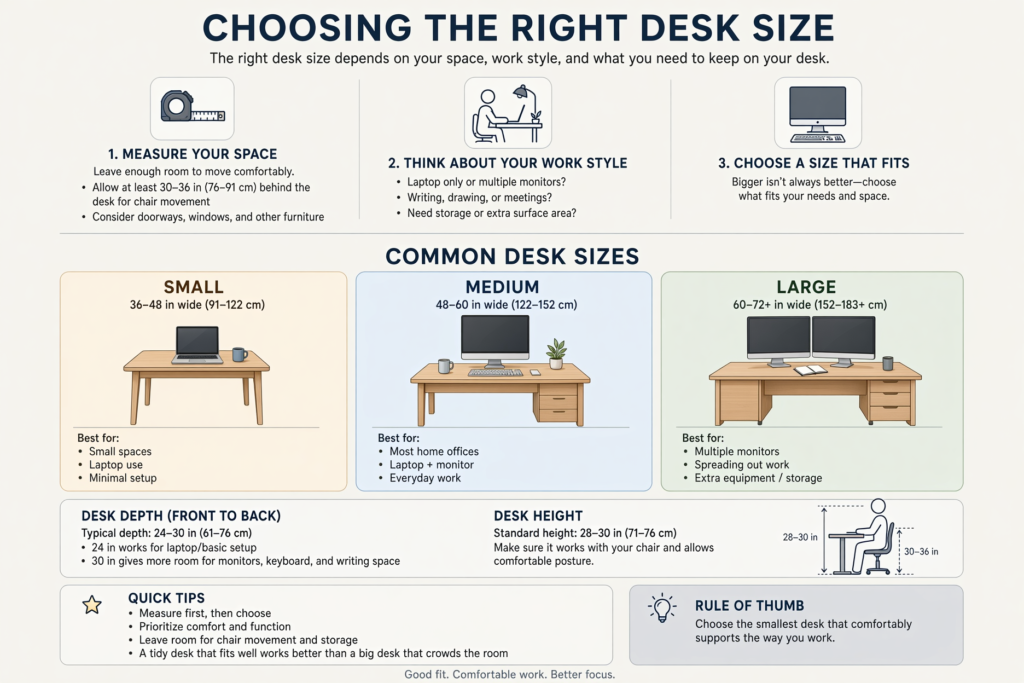
One of the first things to consider is desk size. Bigger is not automatically better. A large desk can provide plenty of room, but if your office or bedroom is small, it may make the entire space feel crowded.

Before choosing a desk, measure the area where you plan to place it. Consider the width and depth of the available space, as well as doors, windows, cabinets, and other furniture nearby. Leaving some breathing room around the desk can make the workspace much more comfortable.

Think about your equipment as well. Someone using a laptop may need significantly less surface area than someone running a desktop computer with two or three monitors. If you regularly write notes, use physical documents, or keep accessories nearby, additional desk depth can make a noticeable difference.

Desk Materials and Durability

Materials play an important role in determining how a desk looks and how well it performs over time. Different desk materials have different advantages, so the right option depends on your priorities and budget.

Wood-based surfaces can provide a warm and traditional appearance, while engineered materials may offer a practical balance between cost and durability. Metal components are commonly used for frames because they can provide strong support and stability. Some desks combine multiple materials to achieve a balance between appearance, strength, and weight.

When evaluating durability, do not look only at the desktop. The frame, legs, joints, and connection points are equally important. A thick desktop is not particularly useful if the supporting structure is unstable. Pay attention to how the desk is constructed and whether the design is intended for everyday use.

Ergonomics and Comfortable Desk Setup
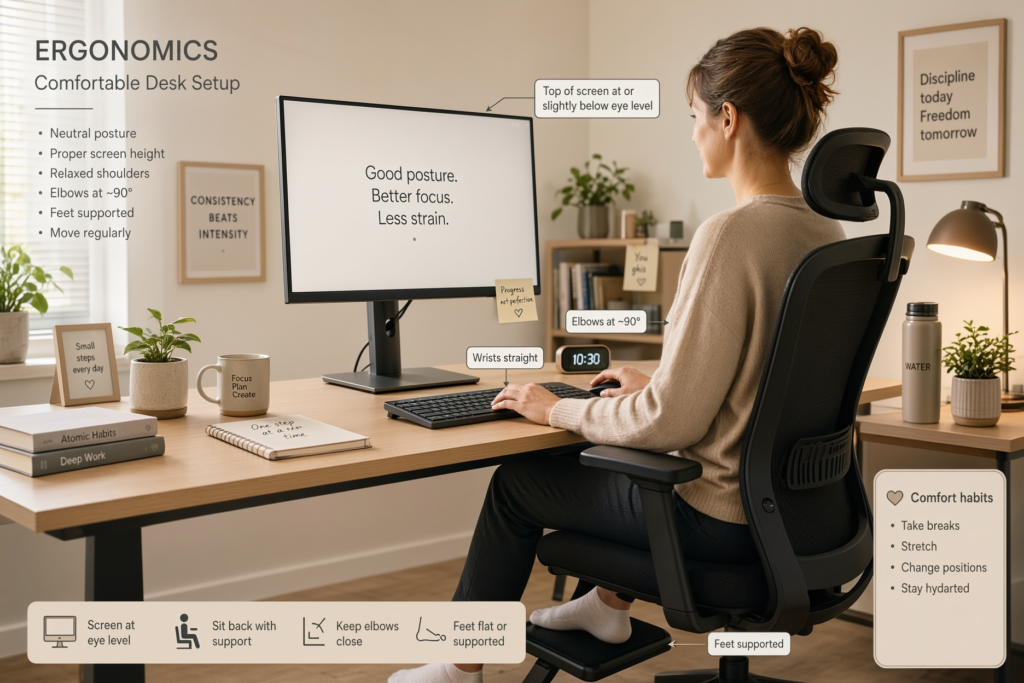
A desk should work together with your chair and monitor rather than being treated as a standalone item. Ergonomics matters because your workspace influences how you position your body during long periods of work or gaming.

Your desk height should allow you to use your keyboard and mouse comfortably without constantly raising or lowering your shoulders. Your monitor should also be positioned at a sensible viewing height. If the desk is too high or too low for your setup, you may find yourself adjusting your posture repeatedly throughout the day.

Another useful consideration is legroom. A desk may look excellent from the outside but become uncomfortable if drawers, support bars, or other components interfere with your legs. Before purchasing a desk, think about how you naturally sit and move while working.

Cable Management for a Cleaner Workspace

Modern workspaces can quickly become cluttered with cables. A computer, monitors, keyboard, mouse, speakers, charging devices, lamps, and other accessories can create a surprising number of wires.

A desk with cable-management features can make this problem much easier to handle. Cable holes, trays, clips, and under-desk routing systems can help keep wires away from the main working surface. Even simple cable management can make a workspace look considerably cleaner.

Good cable organization also makes maintenance easier. If you need to replace a device or disconnect equipment, properly arranged cables are easier to identify and reach. You do not have to pull apart your entire setup just to find one cable.

Gorilla Desk for Home Offices

Home offices often need to balance productivity with limited space. Unlike traditional corporate offices, a home workspace may share a room with other furniture and activities.

For remote workers, the desk needs to accommodate the equipment used throughout the workday. A laptop, external monitor, keyboard, mouse, headset, notebook, and other accessories can quickly consume available space. A well-planned desk setup allows these items to coexist without making the workspace feel chaotic.

The appearance of the desk matters in a home environment too. Since the workspace may be part of a bedroom, living room, or dedicated office, choosing a design that fits the surrounding furniture can make the entire room feel more cohesive.

Gorilla Desk for Gaming Setups

Gaming setups often require more desk space than basic computer setups. A gaming computer may be accompanied by multiple monitors, speakers, a microphone, a headset stand, controllers, and other accessories.

A spacious and stable desk can make it easier to arrange this equipment. Monitor placement is particularly important because gamers typically want enough room for their keyboard and mouse while keeping the screens at a comfortable viewing distance.

Gaming also makes desk stability important. Fast keyboard and mouse movements can expose weaknesses in a poorly constructed desk. A stable frame and properly assembled joints can help create a more solid gaming environment.

Organization and Storage

Not every desk needs built-in storage, but storage can be useful depending on how you work. Drawers can provide space for stationery, documents, cables, and smaller accessories that would otherwise remain on the desktop.

Open space can be just as valuable as storage. A clean desk surface gives you room to spread out when working on a project or studying. The key is finding a balance between accessible storage and usable workspace.

If a desk does not include enough storage, you can always supplement it with shelves, drawer units, monitor stands, or small organizers. This approach can sometimes be better than choosing a desk with bulky built-in storage that takes up valuable legroom.

How to Maintain Your Desk

Even a durable desk benefits from basic maintenance. Regular cleaning helps protect the surface and keeps your workspace looking professional. Dust and dirt can accumulate around keyboards, monitors, and other equipment, so cleaning the entire area periodically is worthwhile.

Avoid placing excessive weight on areas that are not designed to support it. If the desk has adjustable components, check them occasionally to make sure they remain secure. Screws and joints can loosen over time, especially when a desk is frequently moved.

You should also pay attention to moisture and spills. Cleaning up liquid quickly can help prevent unnecessary damage to the desktop and nearby equipment. Small maintenance habits can extend the useful life of your workspace considerably.

What to Consider Before Buying a Gorilla Desk

Before choosing a Gorilla Desk, start with your actual needs rather than the desk’s appearance. Determine how much equipment you use, how much room you have available, and how many hours you typically spend at your workspace.

Next, consider construction and usability. Look at the desktop dimensions, frame design, available legroom, weight capacity information, cable-management options, and assembly requirements. These details can tell you much more about a desk than marketing language alone.

Finally, think about long-term value. A desk is furniture you may use for years, so choosing something solely because it is inexpensive may not always be the smartest approach. A well-built desk that fits your setup can provide better value over time than a cheaper option that needs to be replaced quickly.

Read more: Delta 8 Resellers Coupon Code: How to Recognize Legitimate Offers and Avoid Online Scams

Final Thoughts on Gorilla Desk

A good desk should do more than provide a flat surface for your computer. It should support your routine, keep your equipment organized, and make your workspace comfortable enough for everyday use.

When considering a Gorilla Desk, focus on the features that genuinely matter: stability, size, materials, ergonomics, cable management, legroom, and overall construction. The right combination depends on whether you are building a home office, gaming station, study area, or general-purpose workspace.

Ultimately, the best desk is not necessarily the biggest or most expensive one. It is the desk that fits your room, equipment, working style, and budget while remaining comfortable and reliable. Take the time to measure your space and understand your requirements before making a decision, and you will be much more likely to create a workspace that feels good to use every day.
Delta 8 Resellers Coupon Code: How to Recognize Legitimate Offers and Avoid Online Scams

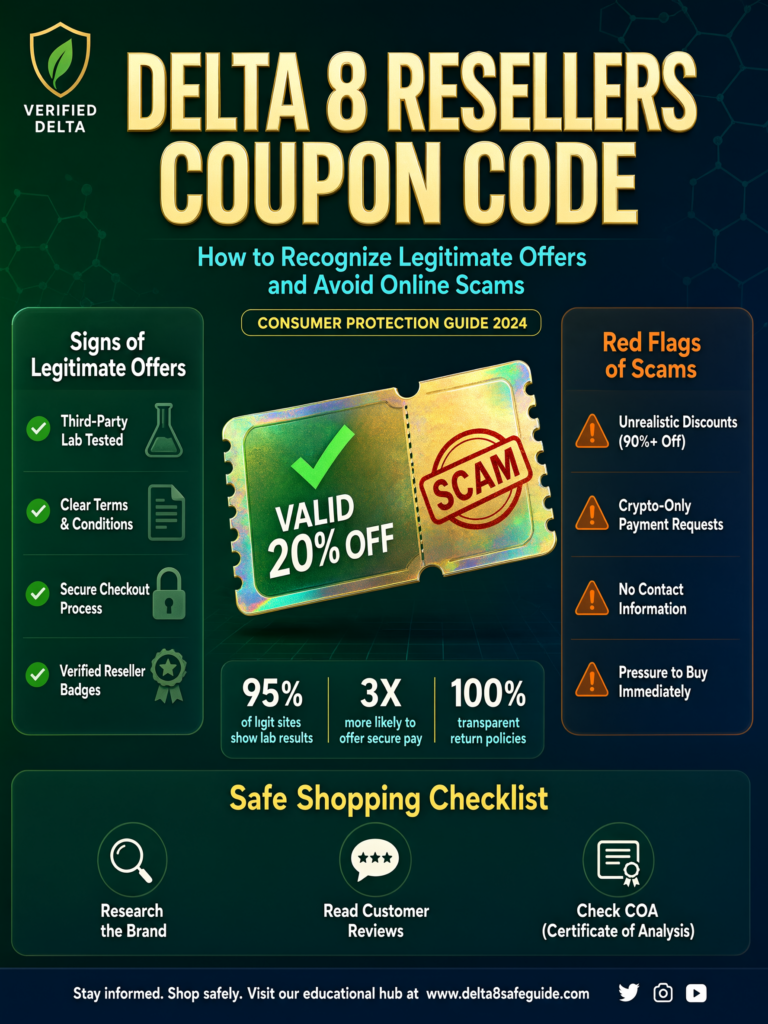
Searching for a delta 8 resellers coupon code can lead you to dozens of websites claiming to have the latest discounts, promotional offers, or special deals. At first glance, these pages may look useful, but not every coupon website is trustworthy. Some contain outdated information, while others may use misleading offers to attract visitors.

That makes it important to approach coupon searches carefully. A discount code is not necessarily proof that a retailer is legitimate, and a professional-looking website does not automatically mean that the information on it is accurate. Consumers should verify the source, understand the relevant rules, and protect their personal information before interacting with unfamiliar websites.

This guide looks at the topic from a consumer-information perspective. Rather than focusing on obtaining or using Delta-8 products, the goal is to explain how online coupon searches work, why misleading discount pages appear in search results, and what warning signs people should recognize when browsing unfamiliar websites.

Why People Search for Delta 8 Resellers Coupon Codes

Coupon-related searches are common across almost every online shopping category. People naturally want to know whether a retailer has current promotions before spending money. Search engines therefore contain a large number of pages targeting phrases such as “coupon code,” “promo code,” “discount,” and “special offer.”

The phrase delta 8 resellers coupon code follows the same general pattern. Someone searching the term may be looking for information about a retailer’s promotional system, an expired offer, or a page claiming to list available discounts. The search itself, however, does not tell you whether any particular result is reliable.

Another issue is that coupon pages can remain online long after an offer has expired. A website may continue ranking for a popular keyword even though the code it discusses no longer works. This is one reason consumers should pay attention to dates and verify information through appropriate official sources rather than trusting a search snippet alone.

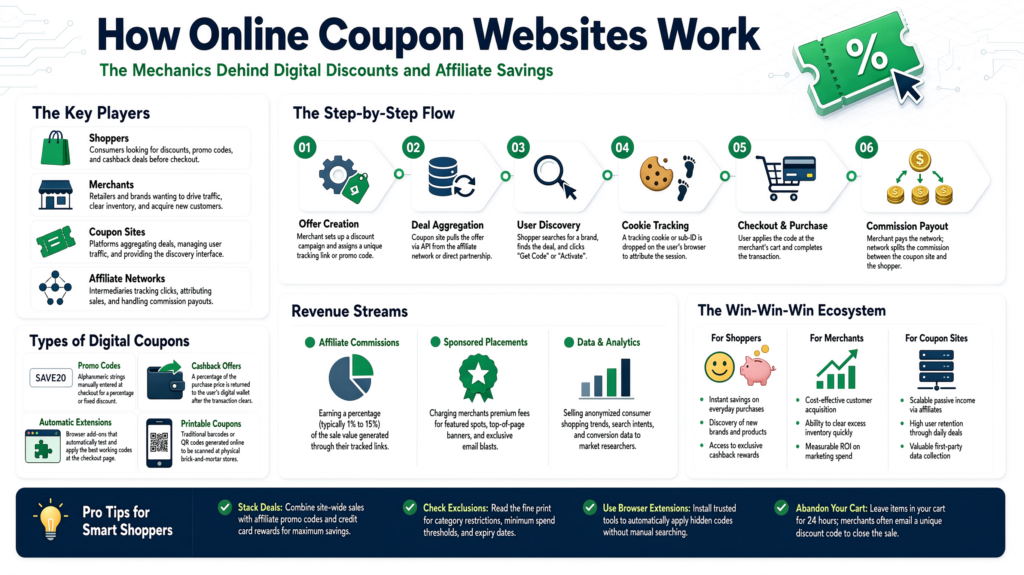
How Online Coupon Websites Work

Coupon websites generally collect promotional information and publish it in an easily searchable format. Some platforms receive information directly from retailers, while others rely on user submissions, affiliate arrangements, automated databases, or older promotional material.

Because different websites collect information differently, the quality of coupon listings can vary significantly. One page might provide a current and clearly sourced promotion, while another could simply repeat information copied from an unrelated website. A high ranking in search results does not necessarily establish that the information is accurate.

It is also worth remembering that coupon websites are often businesses themselves. Their objective may be to attract visitors through search engines. This means that an article containing a particular keyword may have been created primarily to capture traffic rather than to provide carefully verified information.

How to Spot an Outdated Coupon

One of the easiest problems to encounter is an expired promotion. Coupon pages can continue appearing in search results months or even years after the original offer ended. If a page does not display a publication date, update date, or source, you should be especially cautious about assuming that its information is current.

Another warning sign is vague language. Claims such as “exclusive discount,” “limited-time offer,” or “guaranteed working code” sound convincing, but they do not prove that a promotion is legitimate. Reliable information should explain where the offer came from and when it was last verified.

A page containing multiple unrelated codes can also be questionable. Some coupon websites automatically generate or collect large lists of codes without confirming whether they actually work. Treat such lists as unverified information rather than guaranteed offers.

Warning Signs of Fake Coupon Websites

A suspicious coupon website may use an unusually aggressive approach to get visitors to click links. Pop-ups, forced redirects, fake countdown timers, and repeated requests to “unlock” a code are examples of behavior worth treating cautiously.

You should also pay attention to the website’s domain name. A page that imitates the name or appearance of a legitimate company may be designed to make visitors believe they are dealing with an official source. Small differences in spelling or unusual domain extensions can sometimes reveal that a website is unrelated to the organization it appears to represent.

Never provide sensitive account information simply to obtain a coupon. A normal promotional page should not require your password, security questions, or unrelated personal information. If a website asks for information that seems excessive for its stated purpose, leaving the page is usually the safest choice.

Why Verification Matters

Verification is particularly important when a search involves products subject to changing laws and regulations. Rules can differ by jurisdiction, and information published on a third-party coupon website may not reflect the current legal situation.

Consumers should therefore distinguish between promotional information and authoritative information. A coupon site may tell you what it claims is available, but it is not necessarily the right source for determining whether a particular product or transaction is lawful where you live.

The same principle applies to product claims. Marketing language can sometimes make products sound safer, more effective, or more universally available than they actually are. Independent, authoritative information is a better basis for understanding legal and consumer considerations.

Protecting Your Personal Information

Online privacy should be a priority whenever you visit an unfamiliar website. Avoid entering passwords or sensitive information into pages you do not recognize. If a website requests unnecessary details before displaying basic information, consider that a warning sign.

Using unique passwords for important accounts is another useful security practice. If one website experiences a data breach, unique passwords reduce the risk that the same credentials can be used elsewhere.

It is also wise to keep your browser and security software updated. Malicious websites can change over time, and basic security protections can help identify suspicious pages or downloads before they cause problems.

Why Search Results Can Be Misleading

Search engines attempt to organize enormous amounts of online information, but ranking does not guarantee accuracy. A page can rank highly because it has strong search-engine optimization, many backlinks, or a well-targeted keyword even if its underlying information is outdated.

This is especially relevant for highly specific commercial keywords. Website owners know that people searching for a phrase such as delta 8 resellers coupon code may have strong commercial intent. As a result, many pages may be created specifically to capture that traffic.

For readers, the solution is simple: do not judge a source exclusively by its position in search results. Look at who published the information, whether the page is current, whether its claims are supported, and whether it clearly identifies its sources.

Understanding Affiliate and Referral Links

Some coupon websites use affiliate marketing. In this model, a website may receive compensation when visitors click a link or complete a qualifying action through a tracked referral. Affiliate marketing itself is not automatically problematic, but readers should understand that it can create a commercial incentive.

A page may therefore be written to encourage clicks rather than provide neutral information. That does not necessarily make the information false, but it is a reason to evaluate claims carefully.

Transparency is a positive sign. Websites should make their commercial relationships clear where appropriate and avoid presenting promotional material as completely independent advice. Readers can then make better judgments about the information they are seeing.

A Better Way to Evaluate Online Offers

Instead of trusting a random coupon page, start by identifying the source of the information. Look for an official retailer page or another authoritative source that clearly explains the relevant promotion or terms.

Next, check the date. A promotion without a clear date may be outdated. Pay attention to restrictions, eligibility requirements, geographic limitations, and expiration information where applicable.

Finally, protect your personal information. If a website uses suspicious redirects, requests unnecessary credentials, or asks you to install unfamiliar software, stop using it. Saving a small amount of money is never worth putting an important online account at risk.

Frequently Asked Questions

Are all Delta 8 coupon websites legitimate?

No. Coupon websites vary widely in quality. Some may provide useful information, while others may publish outdated, automatically generated, or unverified codes. It is better to verify important information through authoritative sources.

Why do expired coupon codes still appear online?

Old coupon pages can continue receiving search traffic after an offer expires. Some websites do not regularly remove old listings, while others keep them online because they continue attracting visitors.

Should I enter my password to receive a coupon?

You should be cautious about any website requesting sensitive account credentials merely to reveal a promotional code. Never provide passwords or security information to an unfamiliar coupon website.

How can I identify a suspicious website?

Look for unusual domain names, excessive pop-ups, forced redirects, fake urgency, unexplained downloads, and requests for unnecessary personal information. These signs do not prove malicious intent individually, but several together warrant caution.

Read More: Unblocked Games WTF: A Complete Guide to Browser Gaming

Final Thoughts

The search for a delta 8 resellers coupon code may seem straightforward, but online coupon information is not always as reliable as it appears. Pages can contain expired offers, copied information, affiliate links, or claims that have never been properly verified.

The smartest approach is to evaluate the source rather than simply trusting the first result in a search engine. Check dates, examine the website’s reputation, look for transparent sourcing, and be particularly careful with requests for personal or account information.

Most importantly, remember that coupon information is separate from questions about legality, safety, or product quality. Those issues require reliable, current sources rather than relying on a discount website. Taking a few extra minutes to verify what you are reading can help you avoid misleading information and common online scams.

Unblocked Games WTF: A Complete Guide to Browser Gaming

The internet has completely changed the way people discover and play games. You no longer need a powerful gaming computer or a large collection of installed titles to enjoy a quick gaming session. With a browser and an internet connection, you can find everything from simple puzzle games to racing, strategy, arcade, and multiplayer experiences.

The phrase “unblocked games WTF” is one of those search terms that attracts people who are looking for easy-to-access browser games. The wording may look unusual at first, but the basic idea is straightforward: users are generally searching for websites or gaming collections that offer browser-based entertainment.

However, finding a game is only one part of the experience. Players should also think about website safety, privacy, advertising, performance, and whether they have permission to access gaming sites on the network they are using. This guide explains what the keyword means, what to look for in a gaming website, and how to enjoy browser games responsibly.

What Does Unblocked Games WTF Mean?

The keyword unblocked games WTF does not necessarily identify one specific game. It can be used as a search phrase by people trying to discover browser-based games through websites that describe themselves as “unblocked.” These websites commonly organize multiple games in one place so visitors can browse different categories.

The term “unblocked” is often used online to describe games that are accessible through a particular network or browser environment. However, accessibility can vary considerably. A website that works on one connection may be unavailable on another because of network policies, browser settings, content filters, or other restrictions.

It is also important to understand that “unblocked” does not automatically mean “safe.” A website can be accessible and still contain excessive advertising, questionable redirects, tracking technologies, or potentially harmful downloads. Accessibility and security are two different things, and responsible players should consider both.

Why Browser Games Are Still Popular

Browser games remain popular because they are convenient. In many cases, there is no need to install a large application or spend time configuring complicated settings. You can open a compatible browser, select a game, and start playing within moments.

This convenience makes browser gaming particularly attractive for short sessions. Someone who has only a few minutes might prefer a simple puzzle or arcade game instead of launching a large modern title that requires updates and significant storage space.

Another reason is variety. Browser gaming covers a huge range of genres, including action, racing, sports, strategy, puzzles, platformers, and casual games. The variety means players can quickly switch between different experiences instead of committing to one title for hours.

Popular Types of Unblocked Browser Games

One of the most common categories is arcade gaming. These games typically focus on simple mechanics, quick rounds, and easy-to-understand objectives. They can be a good choice when you want entertainment without spending a lot of time learning complicated controls.

Puzzle games are another popular option. These titles often challenge players to recognize patterns, solve problems, or make decisions under pressure. While the mechanics may be simple, a well-designed puzzle game can become surprisingly engaging.

Racing and sports games are also frequently associated with browser gaming. These games can provide a more active experience while still keeping the controls relatively accessible. Depending on the platform, you may find everything from basic racing challenges to games inspired by popular sports.

How to Choose a Good Browser Gaming Website

The first thing to check is the website’s overall quality. A reliable gaming site should be relatively easy to navigate, clearly organized, and transparent about what it offers. If every click produces a new pop-up or redirects you to an unrelated page, that is a strong reason to leave.

The next thing to consider is the game’s source. Ideally, games should be hosted or embedded through legitimate services and should not require unexplained downloads. Be especially cautious when a website suddenly asks you to install an extension, executable file, or unknown application before you can play.

You should also pay attention to privacy. Avoid entering unnecessary personal information on gaming websites. A simple browser game generally should not require sensitive account credentials, payment information, or other private details just to start a casual game.

Are Unblocked Games Safe?

The answer depends on the particular website and game. There is no universal safety guarantee simply because a website describes its games as unblocked. Some sites may be perfectly harmless, while others can have aggressive advertising, questionable redirects, or other risks.

One of the easiest ways to improve your safety is to avoid downloading unknown files. If a browser game suddenly tells you that you need a strange “player,” extension, or application, stop and investigate before installing anything.

It is also smart to keep your browser and operating system updated. Security updates can address vulnerabilities that attackers may otherwise exploit. A reputable security solution can provide another layer of protection, especially when browsing unfamiliar websites.

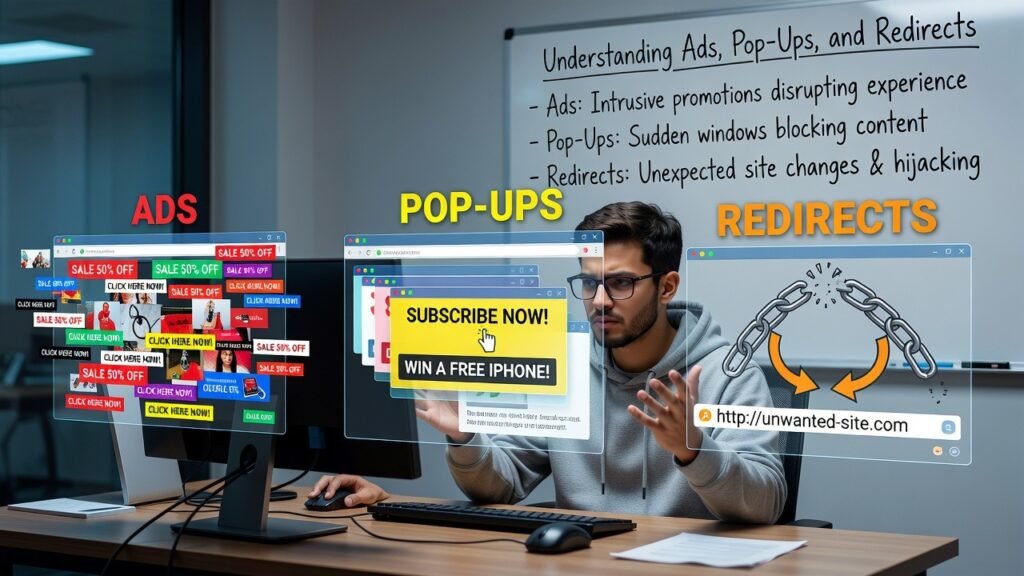
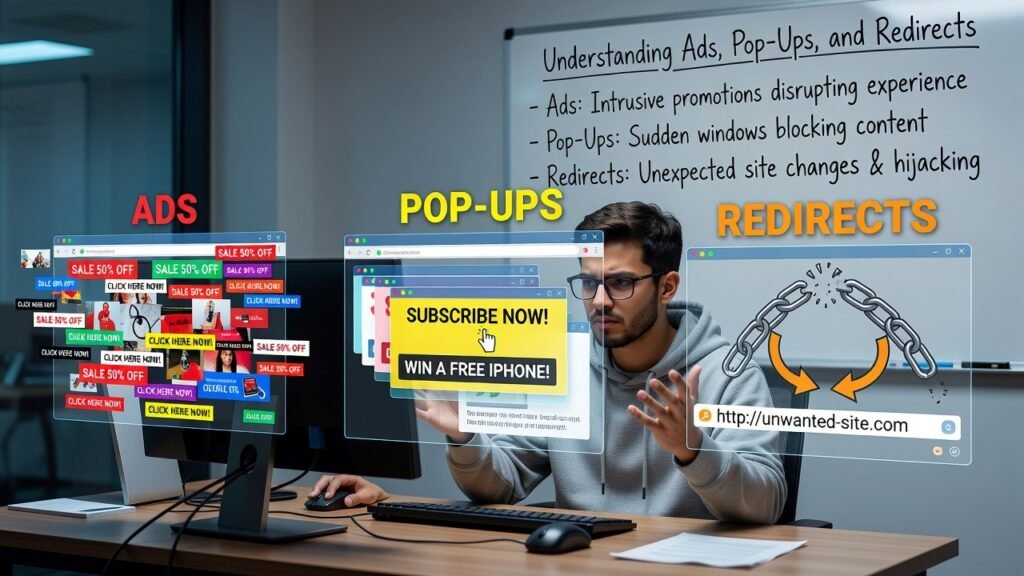
Understanding Ads, Pop-Ups, and Redirects

Advertising is common across free gaming websites. After all, many websites rely on advertising revenue to pay for hosting, development, and maintenance. A few normal advertisements are not automatically a reason to assume that a site is dangerous.

The problem begins when advertising becomes deceptive or excessive. Some pages may use misleading buttons that look like game controls but actually lead somewhere else. Others may open multiple tabs or redirect visitors unexpectedly.

When this happens, avoid clicking random buttons. Close suspicious pages and return to a trusted source. Never enter passwords or financial information into a page simply because a pop-up claims that you have won a prize or need to verify your account.

Playing Browser Games Responsibly at School or Work

The word “unblocked” can sometimes be associated with people trying to access gaming websites on school or workplace networks. This is where responsible use becomes particularly important.

If a school, employer, or organization has restrictions on gaming websites, those rules should be respected. Network policies often exist for productivity, security, bandwidth management, or safeguarding users. Trying to circumvent those restrictions may violate the organization’s rules.

A better approach is to play browser games when and where gaming is permitted. If your school provides a designated recreational environment or your workplace allows personal browsing during breaks, use those approved opportunities rather than attempting to defeat network controls.

Browser Performance and Gaming Experience

Even a simple browser game can perform poorly if your device has too many applications or browser tabs running at once. Closing unnecessary tabs can free system resources and make gameplay smoother.

Your internet connection can also affect the experience. Games that rely on online services may experience lag when the connection is unstable. If a game feels slow, the problem may not necessarily be the website itself.

Browser compatibility matters too. Some older games were designed around technologies that modern browsers no longer support. If a particular title does not work, it may simply be outdated rather than something being wrong with your device.

Mobile Gaming and Unblocked Games

Many people now browse the web primarily through smartphones and tablets. As a result, mobile compatibility has become an important consideration for browser gaming websites.

A game designed for desktop controls may not work well on a touchscreen. Small buttons, complicated keyboard controls, or a fixed screen layout can make the experience frustrating on mobile devices.

Before choosing a game, check whether it is designed for touch controls. Responsive websites and mobile-friendly games generally provide a much better experience than pages designed exclusively for desktop screens.

How to Find Better Browser Games

Instead of searching only by a broad phrase like unblocked games WTF, consider searching by genre. Terms such as browser puzzle games, online racing games, multiplayer browser games, or casual arcade games can help narrow your options.

You can also look for established gaming platforms with clear ownership and transparent information. A website with a recognizable brand, clear policies, and an active community is generally easier to evaluate than an anonymous page filled with random links.

Recommendations from friends can also help, but do not treat a recommendation as a security guarantee. Before visiting a new site, use common sense and check what the website is asking you to do.

The Future of Browser Gaming

Browser gaming has changed significantly over the years. Modern web technologies allow developers to create experiences that are much more sophisticated than the basic games associated with early internet culture.

Cloud technology and improved browser capabilities may continue to make online gaming more accessible. Players can increasingly expect better graphics, multiplayer features, and smoother performance without necessarily installing a traditional desktop game.

At the same time, privacy and security will remain important. As browser games become more advanced, players should continue to pay attention to permissions, downloads, advertisements, and the information they share online.

Read More: minecraft playbattlesquare

Final Thoughts on Unblocked Games WTF

The keyword unblocked games WTF generally points toward the broader world of browser-based gaming and websites that promote easy access to online games. The appeal is understandable: browser games can be quick, convenient, varied, and accessible across many devices.

Still, players should not assume that every website appearing in search results is trustworthy. Check the site’s reputation, avoid suspicious downloads, be careful with advertisements, and never provide sensitive information simply to play a casual game.

Most importantly, remember that “unblocked” describes accessibility, not safety or permission. If you are using a school, workplace, or shared network, follow its acceptable-use rules rather than attempting to bypass restrictions.

With a little common sense, browser gaming can remain a fun and convenient way to enjoy short gaming sessions. Focus on reputable sources, choose games that suit your device, and treat online safety as part of the gaming experience rather than an afterthought.

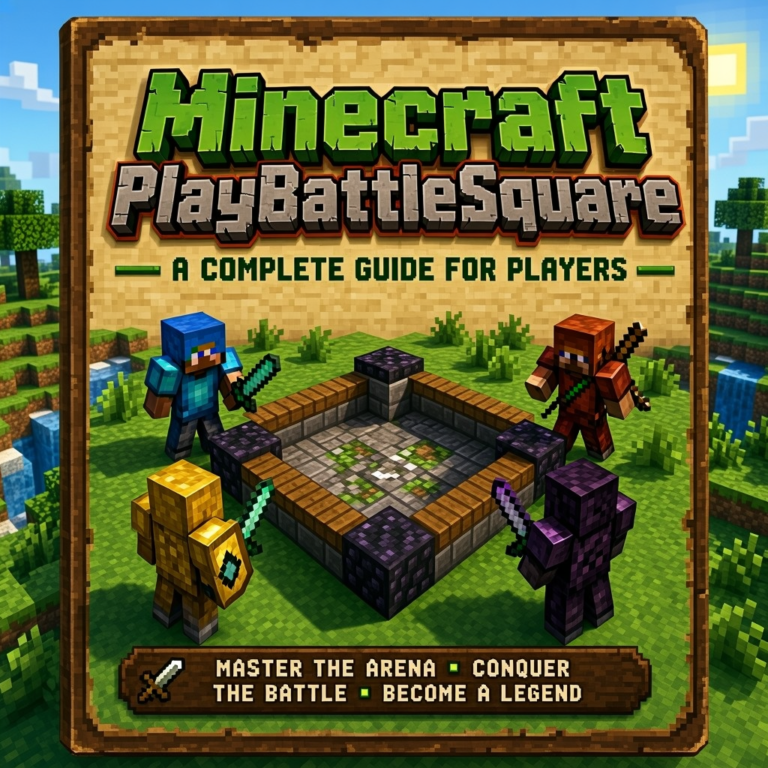
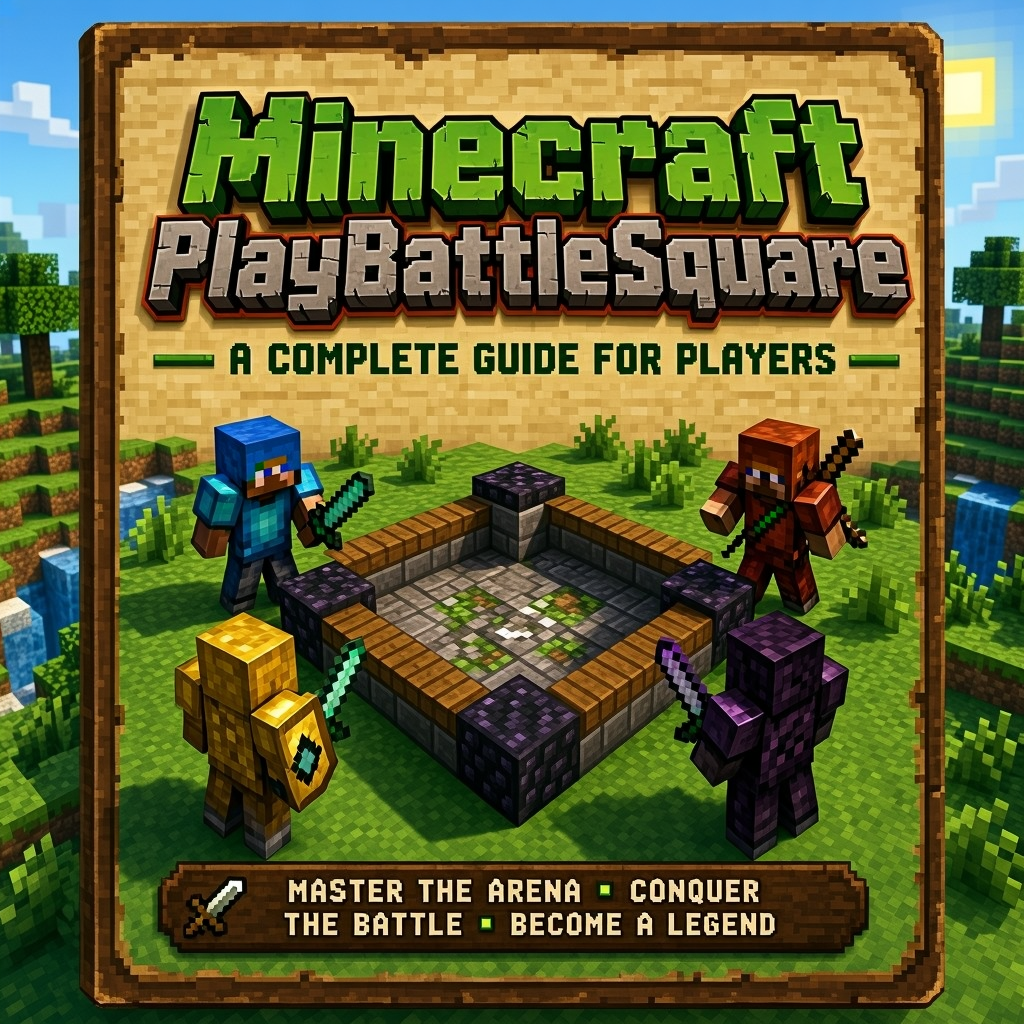
Minecraft PlayBattleSquare: A Complete Guide for Players

Minecraft has always been more than a simple building game. Over the years, its huge community has created countless ways to enjoy the game, from survival worlds and creative builds to competitive multiplayer experiences. That is why searches such as Minecraft PlayBattleSquare can attract the attention of players looking for new places, communities, servers, or multiplayer experiences connected to Minecraft.

For players who enjoy competition, the appeal is easy to understand. Minecraft can become surprisingly intense when building, exploration, strategy, teamwork, and combat are combined. A well-designed multiplayer environment can turn familiar Minecraft mechanics into something that feels completely different from playing alone.

If you have come across the term Minecraft PlayBattleSquare and want to understand what it means, this guide is a useful starting point. We will look at what players may be searching for, what to check before joining an unfamiliar Minecraft community, and how to get more enjoyment from competitive multiplayer gameplay.

What Is Minecraft PlayBattleSquare?

The keyword Minecraft PlayBattleSquare appears to combine Minecraft with the idea of a battle-focused multiplayer environment. However, the exact meaning can depend on where you encountered the term. It may refer to a particular community, server, gaming project, website, or search phrase used by players looking for competitive Minecraft content.

That distinction matters because not every Minecraft-related keyword represents an official Minecraft feature. Minecraft itself is developed and published by Mojang Studios, while thousands of independent communities and server projects operate separately. A name that sounds connected to Minecraft does not automatically mean it is officially affiliated with the game.

For that reason, players should check the original source before assuming what PlayBattleSquare offers. Look for information about its purpose, supported Minecraft edition, server address, rules, community guidelines, and current status. A little research can save you from joining the wrong server or downloading something you do not actually need.

Why Competitive Minecraft Is So Popular

Minecraft might look like a relaxed sandbox game, but its mechanics work surprisingly well for competitive play. Players can gather resources, create defensive structures, explore dangerous areas, and develop strategies against opponents. Once other players are introduced, even simple decisions can become important.

Competitive Minecraft also rewards different types of skills. Some players are naturally good at combat, while others are better at resource management or building. A strong team might include someone who understands the map, another player who focuses on defense, and someone else who is confident during battles.

This variety is one reason multiplayer Minecraft remains interesting even for experienced players. You can play the same general game but approach every match or server differently. Learning from other players can also make you better at Minecraft overall.

What Players Should Look for in a Minecraft Battle Community

Before joining a competitive Minecraft community, take a few minutes to understand how it works. Start by checking whether the community clearly explains its rules. A legitimate and well-managed server should normally provide basic information about gameplay, behavior expectations, moderation, and how players can report problems.

It is also worth checking whether the server is active. An attractive website does not necessarily mean that a community has a healthy player base. Recent announcements, active community discussions, updated information, and current events can provide clues about whether the project is still being maintained.

Another important factor is the overall player experience. Competitive gameplay can be exciting, but excessive cheating, harassment, unfair advantages, or poor moderation can quickly ruin it. Look for communities that take fair play seriously and have clear systems for dealing with rule violations.

Minecraft Java Edition vs. Bedrock Edition

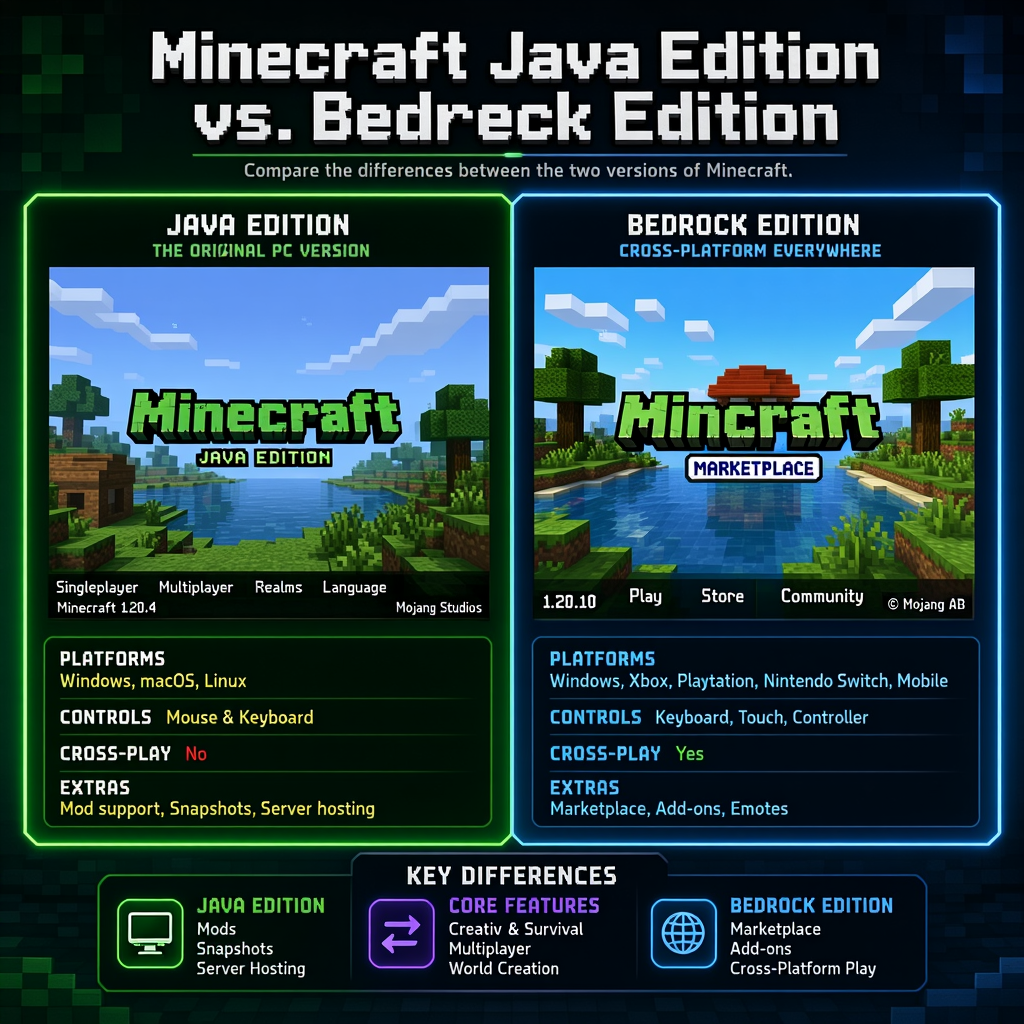
One of the first technical details you should check is which version of Minecraft a server supports. Minecraft Java Edition and Minecraft Bedrock Edition have different technical environments, and compatibility is not automatically guaranteed in every multiplayer situation.

If you discover a server or project associated with the Minecraft PlayBattleSquare keyword, check its compatibility information before trying to connect. You do not want to spend time troubleshooting a connection only to discover that you are using an unsupported edition.

Your Minecraft version can matter as well. Some multiplayer servers require a particular game version or use software designed around a specific release. Always follow the server’s current instructions rather than relying on old tutorials or outdated posts.

How to Prepare for Competitive Minecraft Gameplay

Good preparation can make a huge difference in a competitive Minecraft environment. Before entering a serious match, make sure you understand the basic controls, movement, inventory management, and combat mechanics. Familiarity with these fundamentals allows you to focus on strategy instead of struggling with simple actions.

It is also useful to understand your equipment and resources. Knowing what items are valuable, how quickly you can obtain them, and which resources should be prioritized can give you an advantage. In team-based gameplay, communication becomes equally important.

Do not underestimate practice. Experienced players often look impressive because they have repeated the same actions hundreds or thousands of times. If your first matches go badly, that does not necessarily mean you are bad at Minecraft. Treat mistakes as information and use them to improve your next game.

The Importance of Strategy in Minecraft Battles

Fast reactions are helpful, but competitive Minecraft is not only about clicking quickly. Strategy can often determine the outcome before the battle actually begins. Positioning, resource management, timing, and awareness can all influence what happens during a match.

For example, rushing into a fight without understanding your surroundings can put you at a disadvantage. A more patient player may use terrain, defensive structures, or positioning to create a better opportunity. Sometimes the smartest move is to avoid an unnecessary fight altogether.

Team strategy can make the experience even more interesting. Players need to communicate about objectives, resources, enemy movements, and defensive plans. Teams that communicate effectively often outperform teams where every player acts independently.

How to Stay Safe When Exploring Minecraft Communities

Safety is important whenever you visit an unfamiliar gaming website or join a new online community. Minecraft itself is a well-known game, but third-party servers, websites, downloads, and communities are separate services that should be evaluated individually.

Be cautious if a website asks you to download unknown software just to access basic server information. You should also be careful with links asking for passwords, account credentials, payment information, or unusual verification steps. Never share sensitive account information simply because another player claims that it is required.

It is a good habit to use official sources whenever possible. If you need information about Minecraft itself, start with official Minecraft resources rather than relying entirely on random download pages or social media posts. This reduces the chance of encountering misleading instructions or malicious files.

Avoiding Scams and Fake Minecraft Websites

Popular games frequently attract websites that attempt to benefit from players’ interest. Some may use familiar-looking names, copied graphics, or phrases associated with popular Minecraft communities. That does not automatically mean they are legitimate.

Pay attention to the website address, spelling, contact information, and overall quality of the information. A suspicious domain, aggressive pop-ups, unexplained downloads, or unrealistic rewards should make you stop and investigate before continuing.

You should also be skeptical of claims that sound too good to be true. Promises of free premium accounts, unlimited in-game rewards, rare items, or special access in exchange for your login details are major warning signs. Protecting your account is more important than obtaining a temporary reward.

How to Improve Your Minecraft Multiplayer Skills

Improvement starts with understanding your weaknesses. If you regularly lose fights, determine why. Maybe your movement needs work, perhaps you are not managing your inventory efficiently, or you are entering battles without enough resources.

Watching experienced gameplay can also help. Instead of copying every move, pay attention to decision-making. Ask yourself why a player chose a certain route, when they decided to attack, and how they responded when their original plan failed.

Most importantly, keep practicing. Minecraft has a large skill ceiling, and even experienced players can continue learning. Try different strategies, play with different teammates, and experiment with different approaches. Over time, you will develop a stronger understanding of what works for your play style.

Is Minecraft PlayBattleSquare Worth Exploring?

Whether Minecraft PlayBattleSquare is worth exploring depends on exactly what the term refers to and what you are hoping to find. If it leads you to a legitimate Minecraft community or competitive multiplayer project that matches your interests, it could be an enjoyable way to experience Minecraft differently.

However, the name alone is not enough to establish whether a particular website or server is trustworthy. Check the project’s current information before joining, and make sure you understand whether it is an independent community rather than an official Minecraft service.

The best multiplayer experiences usually have clear rules, active moderation, a healthy community, and transparent information. If those qualities are present, competitive Minecraft can be a great way to meet other players and improve your skills.

Read More: Dino Fetscher

Final Thoughts on Minecraft PlayBattleSquare

Minecraft’s biggest strength has always been its flexibility. You can play peacefully, build enormous projects, explore dangerous environments, or compete against other players. That flexibility is what keeps the game interesting for such a large and diverse community.

The Minecraft PlayBattleSquare keyword may lead players toward a particular competitive project, community, or multiplayer resource, but it is important to verify exactly what you are looking at before signing up or downloading anything. Not every third-party Minecraft service is connected to Mojang Studios, and a familiar-looking name should not be treated as proof of authenticity.

If you decide to explore a battle-focused Minecraft community, focus on fair play, account security, good sportsmanship, and learning from every match. Competitive Minecraft becomes much more enjoyable when you are not only trying to win but also improving your understanding of the game.

Ultimately, the best Minecraft experience is one that gives you room to experiment, compete, cooperate, and have fun. Whether you are a longtime player or someone discovering multiplayer for the first time, taking a careful approach to new communities can help you enjoy the game while keeping your account and personal information protected.

GitHub vs GitLab: Which Platform Is Better for Developers in 2026?

When developers compare GitHub vs GitLab, the choice can look confusing at first. Both platforms help teams host Git repositories, collaborate on code, review changes, manage projects, and automate software delivery. They also offer tools for security, CI/CD, and AI-assisted development, so the differences are not always obvious from the surface.

The real difference becomes clearer when you look at how each platform approaches the software development lifecycle. GitHub has built a huge ecosystem around repositories, pull requests, collaboration, and GitHub Actions, while GitLab takes a more integrated DevSecOps approach, bringing planning, source code management, CI/CD, security, and deployment into one platform.

So, which one should you choose? The answer depends less on which platform is “best” overall and more on what your team actually needs. A solo developer may prioritize simplicity and community, while an enterprise team may care more about security controls, deployment options, governance, and pipeline management.

What Is GitHub?

GitHub is a software development platform built around Git repositories and collaborative development. Developers can store source code, track issues, review changes through pull requests, organize work with Projects, and use automation to build and deploy applications. GitHub describes itself as supporting the software development lifecycle from planning through deployment and operations.

One of GitHub’s biggest advantages is its enormous developer ecosystem. When people publish open-source projects, documentation, examples, libraries, or developer tools, GitHub is often one of the first places they use. This creates a strong network effect: developers can discover projects, contribute to them, report issues, discuss ideas, and learn from existing code in the same environment.

GitHub also has a mature automation ecosystem through GitHub Actions. Developers can create workflows that automatically run tests, build applications, package software, and deploy projects when certain events occur. The GitHub Marketplace also provides a large collection of reusable Actions and integrations, which can make it easier to connect development workflows with external services.

For developers who care about community, open-source visibility, collaboration, and a familiar code-hosting experience, GitHub remains a very strong choice. Its platform is particularly attractive when a project benefits from being easily discoverable by the broader developer community.

What Is GitLab?

GitLab is another Git-based development platform, but its philosophy is somewhat different. Instead of focusing primarily on repository hosting and collaboration, GitLab has positioned itself as a more comprehensive DevSecOps platform. It combines source code management with planning, CI/CD, security, compliance, and deployment capabilities.

That integrated approach can be especially useful for organizations that want fewer separate tools in their software delivery stack. Rather than connecting one product for source control, another for CI/CD, another for security scanning, and additional services for planning and analytics, teams can use GitLab as a central platform for much of the workflow.

GitLab also offers both SaaS and self-managed deployment options, which can matter to organizations with strict infrastructure, compliance, or data-residency requirements. Its self-managed model gives companies more control over where the platform operates and how it is integrated into internal environments.

Another important point is that GitLab is open core. The platform’s core is open source, which fits well with organizations and developers who value transparency and the ability to inspect or contribute to the underlying software. For teams that prioritize DevSecOps integration and deployment flexibility, GitLab can be a compelling alternative to GitHub.

GitHub vs GitLab: Main Differences

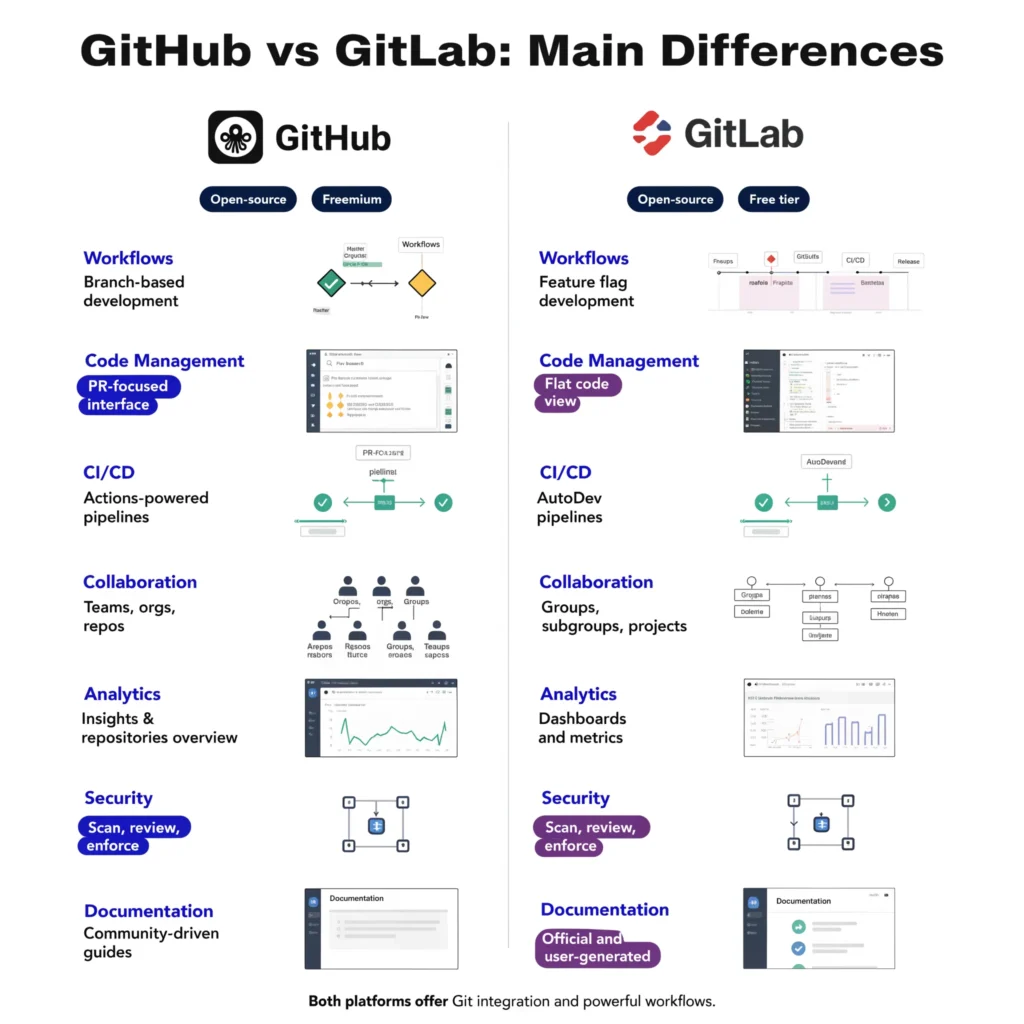
The biggest difference between GitHub and GitLab is the overall philosophy behind each platform. GitHub has a strong reputation for code collaboration, open-source development, repository hosting, and its broad ecosystem of integrations. GitLab, meanwhile, emphasizes having a unified platform for the complete DevSecOps lifecycle.

This distinction becomes important when a team grows. A small project may simply need Git repositories, pull requests, issue tracking, and basic automation. In that situation, either platform can work extremely well. As projects become more complex, however, teams may start caring about pipeline orchestration, security scanning, compliance, project-level governance, deployment environments, and development analytics.

GitHub can handle many of these requirements, but some advanced capabilities may involve additional products, marketplace integrations, or external tooling. GitLab’s approach is to place more of these capabilities within one integrated platform. GitLab’s current feature comparison highlights built-in CI/CD, security capabilities, planning tools, and value-stream features across its paid tiers.

Another difference is the development experience around collaboration. GitHub uses pull requests as a central mechanism for reviewing and merging code, while GitLab uses merge requests. The terminology is different, but the basic purpose is similar: developers propose changes, teammates review them, automated checks run, and approved changes are merged into the project.

GitHub vs GitLab for CI/CD

CI/CD is one area where the differences become especially interesting. GitHub provides GitHub Actions, a powerful automation system that lets developers define workflows for building, testing, and deploying software. Because the Actions ecosystem is large, developers can find reusable components for many common development and deployment tasks.

GitLab provides integrated CI/CD as part of its platform. GitLab’s approach includes features such as parent-child pipelines, multi-project pipelines, reusable configuration, pipeline graphs, and GitLab Runner. These capabilities can be particularly valuable for organizations operating complicated software delivery workflows across multiple projects or repositories.

The choice therefore depends on how much pipeline complexity your organization expects. GitHub Actions can be an excellent fit when you want a flexible ecosystem and are comfortable assembling workflows around Actions and integrations. GitLab can be attractive when you want advanced CI/CD orchestration to be deeply connected with the rest of your development and DevSecOps environment.

There is also no requirement that teams treat the platforms as completely isolated choices. GitLab supports connecting to GitHub repositories and running GitLab CI/CD against code hosted on GitHub. That can be useful for organizations that want to keep their existing GitHub repositories while experimenting with GitLab’s CI/CD capabilities.

GitHub vs GitLab for Security

Security is another major consideration when comparing GitHub and GitLab. Modern software teams need more than simple repository permissions. They may need secret detection, static application security testing, dependency analysis, container scanning, vulnerability management, and centralized security policies.

GitHub offers security capabilities through its GitHub Advanced Security products and related features. Organizations can use tools such as code scanning and secret protection to identify security issues during development. However, the exact security functionality available depends on the plan and products selected.

GitLab takes a more integrated security approach through its DevSecOps model. Its platform includes capabilities such as SAST, secret detection, and container scanning, with additional security and compliance features available at higher tiers. The idea is to bring security findings into the same environment as source code, issues, merge requests, and pipelines.

For a small personal project, these distinctions may not matter much. For a larger company operating sensitive applications, however, security integration can have a major impact on the overall development process. The more security checks can happen automatically inside the normal workflow, the easier it becomes to identify problems before they reach production.

GitHub vs GitLab for AI Development

AI-assisted development has become another important part of the GitHub vs GitLab conversation. GitHub offers GitHub Copilot, which can help developers with coding tasks, explanations, documentation, testing, and other repository-focused activities. GitHub has also expanded Copilot capabilities toward agentic development and automated coding workflows.

GitLab has taken a broader approach with GitLab Duo and its Agent Platform. The platform is designed to use context from across the software development lifecycle, including issues, merge requests, pipelines, environments, and security findings. GitLab’s recent releases have continued to expand its agentic development and automation capabilities.

This creates an interesting distinction. If your main interest is AI-assisted coding inside a repository-centric workflow, GitHub’s Copilot ecosystem can be very appealing. If you want AI agents to work across planning, coding, CI/CD, security, and other parts of the delivery process, GitLab’s broader platform approach may be worth considering.

AI capabilities are changing quickly, so this is one area where today’s comparison can become outdated faster than traditional Git features. Teams should check current plans, privacy terms, model availability, and enterprise controls before making a purchasing decision.

GitHub vs GitLab: Which One Should You Choose?

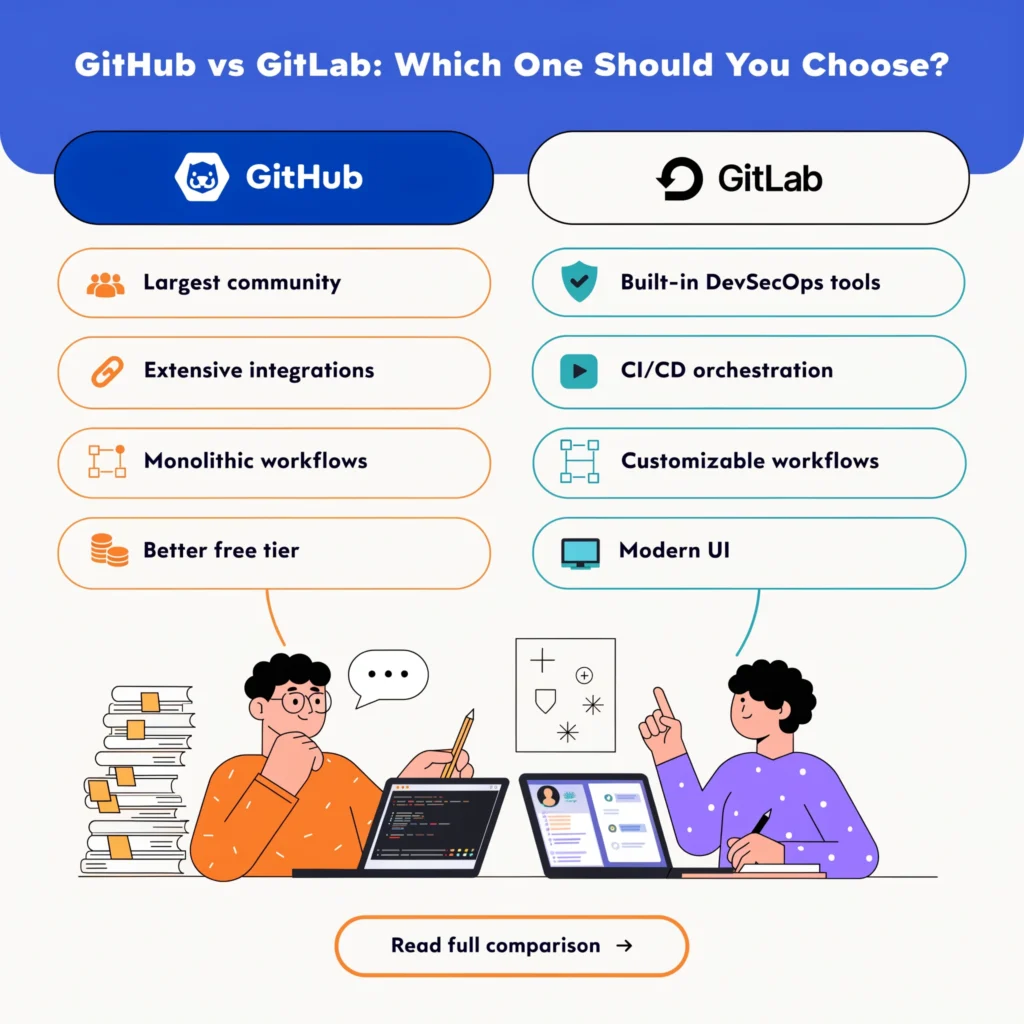
For individual developers and open-source contributors, GitHub is often an easy starting point. Its large public developer community, familiar repository workflow, extensive ecosystem, and collaboration features make it convenient for projects that benefit from visibility and community participation.

GitLab may be the stronger option for organizations that want a more unified DevSecOps platform. Its integrated CI/CD, security, planning, analytics, and deployment capabilities can reduce the need to stitch together multiple products. This can become particularly valuable as engineering teams grow and software delivery becomes more complicated.

That doesn’t mean GitLab is automatically better for every company, just as GitHub isn’t automatically the best choice for every developer. The right decision should consider your team’s existing workflow, required integrations, security requirements, deployment model, CI/CD complexity, budget, and future growth.

A practical approach is to test both platforms with a real project rather than judging them purely from feature lists. Create a repository, configure a CI/CD workflow, invite a few team members, test code review, try security features, and see how comfortable developers feel using each platform.

Read more: Dino Fetscher

Final Verdict: GitHub vs GitLab

So, GitHub vs GitLab — which one wins? There isn’t one universal winner. Both platforms are mature choices for modern software development, but they shine in slightly different areas.

GitHub is particularly strong for repository-based collaboration, open-source development, developer community engagement, and a large ecosystem of integrations and automation. Its pull-request workflow and GitHub Actions make it a practical option for everything from personal projects to large engineering organizations.

GitLab stands out when the priority is bringing the software delivery lifecycle together. Its integrated DevSecOps approach connects planning, code, CI/CD, security, and deployment, while its self-managed options provide additional flexibility for organizations with specialized infrastructure requirements.

Ultimately, choose GitHub if ecosystem, collaboration, and open-source visibility are your biggest priorities. Choose GitLab if integrated DevSecOps, advanced CI/CD, security, and platform consolidation matter more. And if you’re still unsure, run a small pilot with both. In real-world development, the platform that fits your team’s workflow best will usually beat the one that simply has the longer feature list.

Dino Fetscher: Biography, Career, Movies, TV Shows, and More

Dino Fetscher is a Welsh actor who has steadily built a name for himself through television, film, and theatre. While some viewers may recognize him immediately from shows such as Humans, Years and Years, Gentleman Jack, Foundation, or Fool Me Once, his career is much broader than any single role. He has moved comfortably between drama, science fiction, crime stories, and stage productions, developing a reputation for taking on very different kinds of characters.

Born in Cardiff on June 9, 1988, Fetscher has a Welsh background with German and Welsh-Basque family heritage. He later trained at London’s Central School of Speech and Drama, giving him a strong foundation in performance and theatre. His professional journey shows a gradual progression rather than an overnight rise to fame.

What makes Dino Fetscher particularly interesting is the variety of his work. He has appeared in British television productions, international streaming projects, major genre series, and acclaimed theatre productions. For audiences discovering him through one recent show, exploring his earlier credits gives a much better picture of his development as an actor.

Who Is Dino Fetscher?

Dino Fetscher is a Welsh actor known for his work across television, film, and theatre. He was born in Cardiff, Wales, and trained professionally at the Central School of Speech and Drama in London. His education helped prepare him for a career that has included both demanding stage performances and roles in popular television productions.

Before becoming widely recognized for his acting, Fetscher also attracted public attention when he won Mr Gay UK in 2008 under his birth name, Dino Gamecho. That experience became one part of his early public profile, but acting ultimately became the central focus of his professional career.

His screen career began gaining momentum in the mid-2010s. From his early appearances in Cucumber and Banana to later roles in Paranoid, Humans, and Years and Years, he gradually became a familiar face in British television. His career has since expanded into major streaming productions, including Netflix’s Fool Me Once and Apple’s Foundation.

Dino Fetscher’s Early Life and Education

Fetscher was born and raised in Cardiff, a city with a strong connection to Welsh culture and the performing arts. His mother is German, while his father has Welsh-Basque heritage, giving him a multicultural family background. Those roots are often mentioned when discussing his biography because they form part of the personal story behind the actor audiences see on screen.

Rather than relying solely on natural ability, Fetscher pursued formal acting training. He studied at the Central School of Speech and Drama in London, one of the UK’s established institutions for actor training. Professional theatre education can be especially valuable for performers because it develops voice, movement, character work, and the ability to perform consistently under pressure.

His theatre background has remained important throughout his career. Even as television and streaming have brought him greater visibility, Fetscher has continued to work on stage. That combination of theatre discipline and screen experience helps explain why he has been able to move between intimate dramatic performances and larger television productions without being limited to one particular type of role.

Dino Fetscher’s Breakthrough in Television

One of Fetscher’s early significant television opportunities came with Cucumber and its companion series Banana, both associated with writer Russell T Davies. In Cucumber, he played Aiden, while also appearing in Banana. These projects helped introduce him to a wider television audience and gave him the opportunity to work within stories focused on relationships, identity, and modern LGBTQ+ experiences.

His career then moved into crime drama with Paranoid. Fetscher played DC Alec Wayfield in the 2016 series, appearing across its eight episodes. The role was a noticeable change from his earlier work and demonstrated that he could fit naturally into a darker, investigative television setting.

Another important stage of his television career arrived with Humans. Fetscher played Stanley, a synthetic human, in the third season of the science-fiction drama. The role allowed him to work within a story that explored artificial intelligence, humanity, relationships, and the ethical questions surrounding technology. His performance helped expand the range of characters associated with his name.

Dino Fetscher in Years and Years and Gentleman Jack

In 2019, Fetscher appeared in the acclaimed BBC and HBO drama Years and Years, playing Ralph Cousins. The series follows a family as political, social, and technological changes reshape their lives. Fetscher appeared in three episodes, contributing to a production known for combining personal drama with an unsettling vision of the near future.

The same period also brought him into Gentleman Jack, the historical drama inspired by the life of Anne Lister. Fetscher portrayed Thomas Beech, appearing in the series across its run. The show gave him another opportunity to work in a period setting, quite different from the futuristic world of Years and Years or the science-fiction environment of Humans.

These roles are useful when looking at Fetscher’s development because they show how varied his choices have been. He has not built his career around one recognizable character type. Instead, his credits include contemporary drama, historical television, science fiction, crime stories, and psychological thrillers, which has helped keep his career flexible and interesting.

Dino Fetscher in Foundation

A major international project for Fetscher came with Foundation, Apple’s science-fiction series based on Isaac Asimov’s influential literary work. In the show’s second season, he played Glawen Curr. The role placed him within a large-scale science-fiction production featuring an expansive universe, complex political conflicts, and an international cast.

Foundation was also an opportunity for Fetscher to reach viewers beyond the British television market. Streaming platforms have made it possible for actors from different countries to reach audiences worldwide, and appearances in ambitious productions like this can significantly expand an actor’s international recognition.

For viewers who first discovered Dino Fetscher through Foundation, his previous work offers useful context. Glawen Curr is only one part of a career that already included television drama, stage productions, science fiction, and crime series. His appearance in Foundation therefore feels less like a sudden career change and more like another step in an increasingly varied body of work.

Dino Fetscher as Marty McGregor in Fool Me Once

For many newer viewers, Fool Me Once may be the project that introduced Dino Fetscher. The Netflix thriller, based on Harlan Coben’s novel, features Fetscher as Marty McGregor. The series became another important entry in his television career and brought him to a large global streaming audience.

The role is particularly interesting because Fool Me Once is built around mystery, secrets, and unexpected revelations. That type of story requires actors to contribute to a larger atmosphere of uncertainty while still making their characters believable. Fetscher’s involvement gave him another chance to work in a contemporary thriller after years of moving between very different genres.

His appearance in the series also demonstrates how his career has evolved. Earlier credits established him in British television, while projects such as Foundation and Fool Me Once have helped introduce him to a much broader international audience. For people searching for Dino Fetscher after watching Netflix, his older credits are worth exploring because they reveal how long he has been building toward this level of visibility.

Dino Fetscher’s Theatre Career

Although television is probably where many viewers know Fetscher best, theatre has been an important part of his professional identity. His stage credits include productions such as Ghost Stories, As Is, Torch Song, and The Normal Heart. These projects demonstrate that his career has never been limited to television or film.

His performance in The Normal Heart was particularly notable. The production at the National Theatre earned Fetscher a nomination for the 2022 Olivier Award for Best Actor in a Supporting Role. The nomination was an important recognition of his stage work and showed that his abilities were being acknowledged beyond his screen appearances.

Theatre can be demanding in a way that differs from television and film. Stage performers need to sustain a character in real time, often for an entire performance, without the option of repeating a scene or relying on editing. Fetscher’s continued presence on stage therefore adds another dimension to his career and helps explain why he has developed such a broad acting résumé.

Dino Fetscher’s Acting Style and Career Range

One of the most noticeable things about Dino Fetscher’s career is its variety. He has played police officers, synthetic humans, historical characters, family members, and figures in large-scale science-fiction stories. Rather than becoming closely associated with one genre, he has repeatedly moved into new territory.

That versatility can be a major advantage for an actor. Audiences often recognize performers who can completely disappear into different roles, and casting directors have more opportunities to use actors who are comfortable working across genres. Fetscher’s filmography suggests that he has developed precisely that kind of flexibility over time.

His theatre experience also appears to complement his screen career. The controlled nature of stage performance requires strong character awareness and communication, while television often depends on subtle reactions and small details. Having experience in both environments gives an actor a wider toolkit, and Fetscher’s career is a good example of how those two worlds can work together.

What Is Dino Fetscher Known For?

Dino Fetscher is best known for several television roles rather than one single performance. His credits include Aiden in Cucumber and Banana, DC Alec Wayfield in Paranoid, Stanley in Humans, Ralph Cousins in Years and Years, Thomas Beech in Gentleman Jack, Glawen Curr in Foundation, and Marty McGregor in Fool Me Once.

For science-fiction fans, Humans and Foundation are likely to be the most recognizable titles. Viewers interested in British drama may know him from Years and Years or Gentleman Jack, while Netflix audiences are more likely to associate him with Fool Me Once. This broad recognition across different audiences is one of the most interesting aspects of his career.

His stage work also deserves attention. The Olivier Award nomination for The Normal Heart demonstrates that his reputation is not built solely on screen appearances. His theatre credits give him another layer of professional experience and show that he has continued to work in serious dramatic productions alongside his television projects.

Dino Fetscher’s Recent and Upcoming Work

Fetscher’s career has continued to expand in the mid-2020s. His more recent credits include the film Good Luck, Have Fun, Don’t Die, in which he plays Blaise, and the series Under Salt Marsh, where he is credited as Gareth Morgan. His filmography also includes the short film Good Boy.

Under Salt Marsh is especially notable as another television project following his high-profile appearance in Fool Me Once. Current listings identify Fetscher among the cast of the 2026 series, showing that his screen career continues to move forward rather than slowing after his Netflix exposure.

The broader pattern is worth noticing. Fetscher has consistently combined television with theatre and film, which gives his career a balanced quality. Instead of depending on a single franchise or character, he continues to take on different productions and explore different types of storytelling.

Final Thoughts on Dino Fetscher

Dino Fetscher’s career is a good example of how an actor can build recognition gradually while maintaining variety. From Cardiff and formal training at the Central School of Speech and Drama to appearances in British television, international streaming series, films, and major theatre productions, his professional journey covers a surprisingly wide range of work.

His most recognizable screen credits include Cucumber, Banana, Paranoid, Humans, Years and Years, Gentleman Jack, Foundation, and Fool Me Once. Each project has placed him in a different storytelling environment, which makes his filmography particularly useful for viewers who want to discover more of his work after seeing him in one particular series.

Ultimately, Dino Fetscher is more than just a familiar face from a popular Netflix or television series. His theatre background, award recognition, international screen appearances, and willingness to move between genres have helped create a distinctive career. As new projects continue to add to his résumé, he remains an actor worth watching for audiences interested in British television, streaming dramas, science fiction, and theatre.